

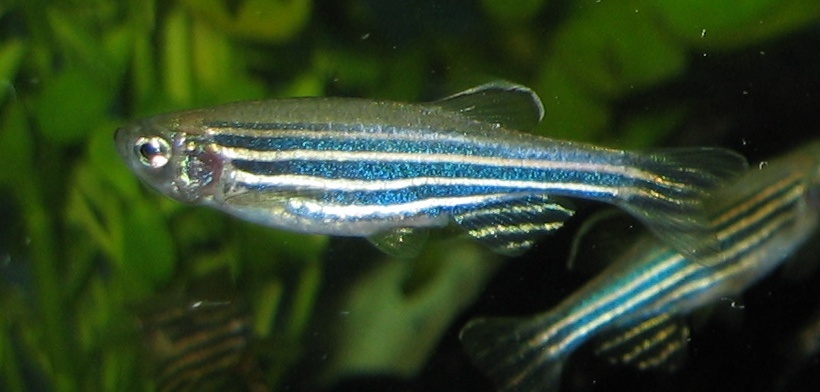
Zebrafish continue to capture attention in both research labs and home aquariums. These small, striped fish offer a practical way to study development, genetics, and aging within a short timeframe. One of the first questions people ask is exactly how long zebrafish live.
In controlled laboratory environments, the zebrafish lifespan typically ranges from 2 to 4 years. Some fish reach 5 years or slightly beyond when conditions are carefully optimized. In contrast, wild zebrafish rarely survive past their first year due to heavy predation, fluctuating water levels, and frequent disease exposure.
Understanding these differences provides valuable context for anyone working with or studying zebrafish. The following sections break down the average ages, key influencing factors, visible aging signs, and why these fish remain so useful in modern research.
Average Lifespan in Laboratories vs. the Wild
Laboratory Conditions
Most laboratory zebrafish live between 2.5 and 3.5 years when housed properly.
Many published studies report mean survival around 36–42 months for outbred populations.
Certain strains, including some long-established lines, regularly reach 48 months or more under excellent care.
Maximum recorded ages occasionally exceed 5 years (around 60–66 months), though these represent exceptional cases.
Stable 28°C water temperature, consistent nutrition, and low-stress housing contribute to reaching the upper end of the zebrafish lifespan.
Natural Habitat Survival
In rivers and shallow ponds across South Asia, most zebrafish die within 12 months.
Predators such as larger fish, birds, and snakes take a heavy toll.
Seasonal drying, poor water quality during dry periods, and bacterial outbreaks further limit survival.
This sharp contrast between lab and wild environments clearly shows how much external conditions control longevity.
Key Factors That Determine Zebrafish Longevity
Water Quality and Parameters
Clean, stable water is the single biggest factor in extending the zebrafish lifespan.
Ammonia, nitrite, and nitrate must remain near zero through regular partial changes.
pH should stay between 7.0 and 7.8 for most strains to avoid chronic stress.
Temperature
Fish maintained at 24–26°C often live several months longer than those kept at 28–29°C.
Higher temperatures accelerate metabolism and reproduction early in life but can shorten overall survival.
Lower temperatures slow aging processes in many studies.
Nutrition
Balanced commercial diets prevent obesity and fatty liver disease.
Occasional live or frozen foods improve overall condition without overfeeding.
Consistent feeding schedules (once or twice daily, small amounts) support steady health.
Other Important Influences
- Stocking density: Overcrowding increases aggression, disease risk, and stress
- Genetic strain: Some lines naturally show longer or shorter average survival
- Lighting: 12–14 hour light cycles mimic natural day length best
- Disease management: Early detection and quarantine protocols add valuable months
When these elements align, fish reliably approach the longer side of the normal zebrafish lifespan range.
Visible and Physiological Signs of Aging
Zebrafish exhibit gradual aging rather than sudden decline.
Most noticeable changes appear after 18–24 months.
Common External Changes
- Spinal curvature (kyphosis) develops from muscle weakening
- Swimming speed and endurance decrease noticeably
- Fin regeneration slows after injury
- Eye clarity often diminishes (cataract-like changes)
Internal Age-Related Shifts
- Lipofuscin pigment accumulates in liver and other tissues
- Cellular senescence markers increase
- Reproductive output steadily declines
- Oxidative damage and DNA repair efficiency drop
These progressive patterns make zebrafish particularly valuable for studying vertebrate aging.
Why Zebrafish Remain a Top Model for Aging and Disease Research?
The zebrafish lifespan of 2–4 years strikes an ideal balance.
It is long enough to observe meaningful age-related changes yet short enough to complete full-lifespan studies within a few years.
Advantages for Scientific Work
- Transparent embryos allow real-time imaging of development
- Strong early-life regenerative capacity (fins, heart, spinal cord)
- Many aging-related genes and pathways are conserved with humans
- CRISPR and other genetic tools enable fast, precise modifications
Common Research Applications
- Testing potential anti-aging compounds
- Modeling neurodegenerative conditions
- Investigating cancer resistance mechanisms
- Studying environmental impacts on longevity
- Exploring telomere function and telomerase activation
Recent experiments activating telomerase in specific tissues have produced notable extensions of healthy lifespan in some trials.
Such findings keep zebrafish at the forefront of longevity and regenerative medicine research.
Practical Steps to Maximize Lifespan in Captivity
Consistent routines make the biggest difference in pushing survival toward 4+ years.
- Perform 20–30% water changes weekly with properly conditioned water
- Maintain stable temperature and avoid sudden swings
- Feed high-quality food in moderation to prevent obesity
- Start with healthy, robust stock from trusted sources
- Watch daily for early signs of stress or illness (clamped fins, reduced activity)
- Keep stocking density low to minimize competition and aggression
These straightforward practices improve both lifespan and overall fish health.
Conclusion
The zebrafish lifespan generally falls between 2 and 4 years in laboratories, with top-end cases reaching beyond 5 years under optimal conditions. Wild populations seldom exceed one year due to intense natural pressures. Water quality, temperature, nutrition, genetics, and housing density largely determine where any individual fish falls within that spectrum.
The gradual aging process, combined with powerful genetic tools and regenerative abilities, keeps zebrafish central to aging, disease, and longevity studies. Whether used in cutting-edge research or enjoyed in home aquariums, these small fish continue to reveal important insights about time, health, and biology.