

Anyone who has ever run an online store knows that shipping can quickly become the most complicated part of the entire operation. Selling products online may feel straightforward at first. A customer places an order, the business packages the item, and the product is sent out the door. Yet behind that simple exchange is a network of carriers, tracking systems, rates, delivery expectations, and logistics decisions that must work together seamlessly.
As ecommerce continues to grow, customers expect faster delivery, transparent tracking, and accurate shipping costs before they even click the checkout button. Meeting those expectations manually is nearly impossible, especially for businesses processing dozens or even thousands of orders each day.
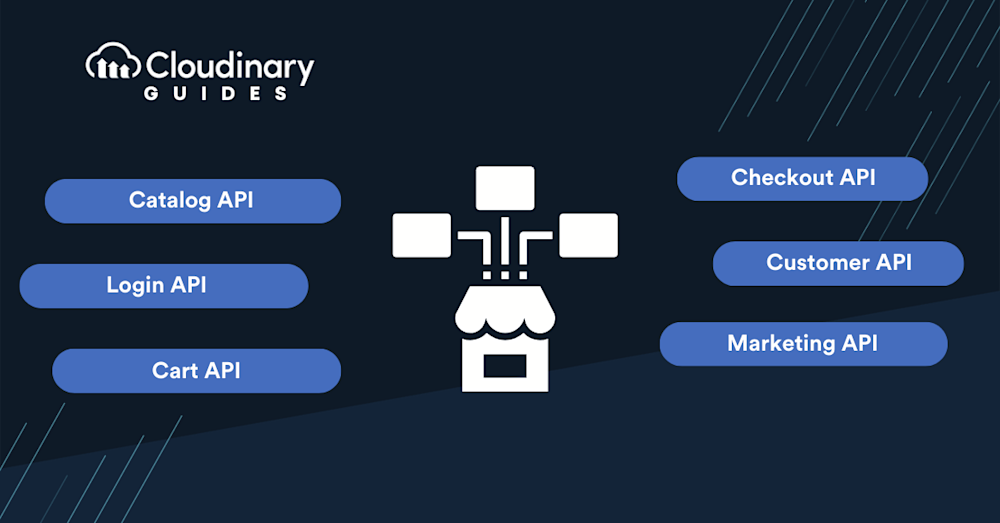
This is why modern ecommerce platforms increasingly rely on integrated shipping technology. A shipping API allows online stores to connect directly with carriers and logistics services, making the fulfillment process smoother, faster, and far more reliable.
Real-Time Shipping Rates Improve Customer Trust
One of the most immediate benefits of integrating shipping systems into an ecommerce platform is the ability to provide real-time shipping rates. Customers today want to know exactly how much shipping will cost before they finalize a purchase. If pricing appears unclear or inconsistent, many shoppers abandon their carts.
Shipping APIs solve this problem by pulling live pricing information from multiple carriers. Instead of relying on static shipping tables that can quickly become outdated, ecommerce platforms can display accurate rates based on the customer’s location, package size, and delivery speed.
This level of transparency builds confidence. When customers see precise shipping costs and delivery options, they are more likely to complete their purchase and feel comfortable returning to the store again in the future.
Automated Label Creation Saves Time
Shipping operations used to require a surprising amount of manual work. Staff members often had to log into carrier portals, re-enter order information, and generate labels individually for every shipment. For businesses handling high order volumes, this process quickly became exhausting.
Modern ecommerce platforms eliminate much of this work through automation. Once an order is placed, shipping APIs can automatically generate shipping labels using the information already stored in the platform.
The result is a smoother workflow for fulfillment teams. Orders move from checkout to packaging much faster, and employees can focus on preparing shipments rather than typing repetitive data into multiple systems.
Better Tracking Improves Customer Experience
Customers today expect to know where their packages are at all times. Tracking updates have become a normal part of the shopping experience. If a package disappears into a logistical black hole with no updates, frustration grows quickly.
Shipping APIs allow ecommerce platforms to integrate tracking information directly into order management systems. When a carrier updates the shipment status, that information flows automatically back to the online store.
Customers receive notifications when their orders ship, are out for delivery, and arrive. This constant visibility reduces support inquiries and helps businesses maintain stronger relationships with their customers.
Multi-Carrier Flexibility Supports Business Growth
Another major advantage of shipping integrations is the ability to work with multiple carriers simultaneously. Different carriers often offer better pricing or faster delivery depending on the destination, package size, or shipping method.
With a connected system, ecommerce platforms can compare carrier options automatically and select the most efficient solution for each order. This flexibility allows businesses to control costs while still delivering reliable service.
As companies expand into new markets or ship internationally, this capability becomes even more valuable. A single platform can coordinate shipments across several carriers without requiring businesses to manage each provider manually.
Reduced Errors in Fulfillment
Manual shipping processes leave plenty of room for mistakes. Incorrect addresses, mismatched package dimensions, or inaccurate shipping services can lead to delayed deliveries and unhappy customers.
Shipping APIs significantly reduce these risks by automating the exchange of order data between ecommerce platforms and carriers. Instead of employees copying and pasting information between systems, the data moves automatically and consistently.
Fewer manual steps mean fewer opportunities for errors. Over time, this reliability improves delivery success rates and helps businesses maintain a professional reputation with their customers.
Scalability for Growing Ecommerce Businesses
What works for a small online store does not always work for a growing one. A business that begins with ten orders per day might eventually process hundreds or even thousands. Without automation, fulfillment operations can quickly become overwhelmed.
Shipping integrations allow ecommerce platforms to scale alongside the business. As order volumes increase, the system continues to generate labels, calculate shipping rates, and update tracking information automatically. This scalability allows companies to grow without constantly rebuilding their logistics processes. The infrastructure simply adapts to higher demand..
For online businesses looking to scale and compete in an increasingly demanding market, integrating advanced logistics tools is no longer optional. A well-implemented shipping API helps ensure that orders move from checkout to delivery at the speed and accuracy customers expect.