

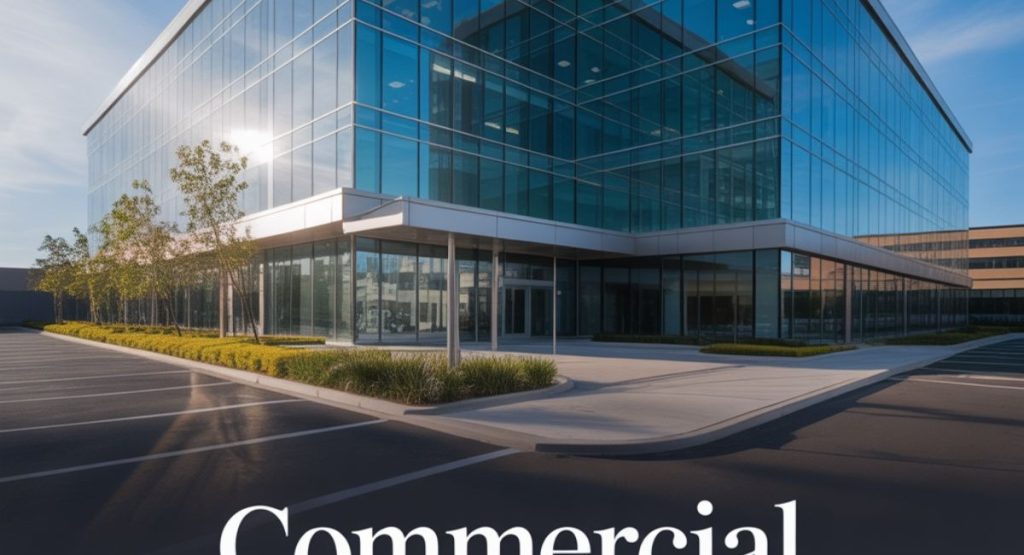
Commercial landlord insurance is a specialised property insurance policy offered to owners of commercial premises. That being said, regardless of whether you own shops, offices, warehouses, or other rental properties for your business, such insurance protects your assets against unforeseen losses and liabilities. It is essential to ensure your investment and maintain financial stability when damage occurs or claims are made.
Here, we will deconstruct the commercial landlord insurance subtopic to understand what it is, its features, what it excludes, what concerns your premium, and what other covers you might wish to pursue. We will also discuss how to choose the right policy that suits your requirements.
What Is Commercial Landlord Insurance?
Commercial property insurance, commonly called Commercial Landlord Insurance, is a type of policy that covers a physical building and other related risks. It includes building damage or loss caused by fire, storms, vandalism, and other risks covered by your policy.
In contrast to general building insurance, commercial landlord insurance is specifically designed to cover properties used for business or as rental properties.
Why Commercial Landlord Insurance Matters
Commercial property ownership is inherently risky. The destruction of the building may result in expensive repairs, rental loss, and liability claims if a person is harmed in the facility. By being well insured with commercial landlords, you will not be at a financial loss due to unexpected occurrences.
Additionally, landlord insurance is a requirement of most mortgage lenders and financing institutions for the loaning of properties, which is hence a fundamental protection in property ownership.
Core Coverages in Commercial Landlord Insurance
Buildings Insurance
This is the fundamental element of commercial landlord insurance. It secures the building of your property, including rebuilding or repair expenses after so-called specified perils, such as fire, flood, storm, or vandalism, have damaged it.
Public Liability Insurance
When an accident occurs on your premises and a visitor, contractor, or tenant seeks compensation, the legal defence and settlements can be insured under public liability insurance. This cover plays a vital role in reducing the risk of an expensive lawsuit.
Loss of Rent Cover
If your property has been damaged and rendered uninhabitable, loss of rent would compensate you for lost rental income in the process of repairing the property. This assists with cash flow and financial planning.
Optional & Additional Covers to Consider
Tenant Contents Insurance.
In case you supply fixtures, fittings, or equipment within the tenancy, then such items can be damaged, and these can be insured under landlord contents insurance.
Legal Expenses Insurance
This will be able to cover legal expenses incurred in cases of conflicts with tenants or violations of lease agreements.
Unoccupied Property Insurance
Standard commercial landlord policies often limit cover if the property is empty. If your premises are likely to remain unoccupied for extended periods, this specialised cover ensures continued protection.
Emergency Assistance Cover
Offers 24/7 services in the event of emergencies, such as a burst pipe or a broken boiler, thus minimising the risk of additional damage while repairs are awaited.
What Commercial Landlord Insurance Excludes
Knowing exclusions will prevent you from having loopholes in protection. Common exclusions include:
- Tenancy stock and business contents: These are normally the property of the tenant.
- General wear and tear: General wear and tear are not supposed to be insured, but rather sudden, unexpected.
- Existing problems (e.g., damp): Issues that appeared before the policy are in use can be left out.
You should always be keen to read the wording of your policies to verify specific exclusions.
How Insurers Calculate Premiums
When the insurance providers are determining your commercial landlord insurance premium, they consider the following factors:
- Kind of property and age: Older houses can be charged more.
- Location risk: It is common to have high property insurance costs in areas prone to flooding or vandalism.
- Rebuild cost: This should be based on the cost of rebuilding, not market value.
- Claims history: Prior claims can raise future premiums.
Knowledge of these factors will enable you to negotiate more favourable conditions and minimise expenditures in the long run.
Legal and Mortgage Consequences
Although commercial landlord insurance is not a legal requirement, your mortgage lender might demand evidence of relevant insurance to grant finance. This assures the lender too that his/her investment is not lost in the event of damage to the property.
The inability to cover your loans adequately might violate the terms of your loan and leave you vulnerable.
Choosing the Right Policy
In choosing a commercial landlord insurance policy, you can take into consideration the following steps:
- Evaluate Your Risks: Learn about the risks that are unique to your property site and use.
- Compare Quotes: Use brokers or comparison services to compare coverage options and premium costs.
- Check Limits and Excess: Ensure your cover limits are based on actual rebuild prices and that any acceptably high excess levels are in place.
- Review Exclusions: Understand what is not included so that there are no unexpected costs at the time of claim.
- Seek Professional Advice: You should seek an insurance expert to help you create an effective policy.
Practical Tips for Landlords
- Keep Property in good condition: Preventive maintenance saves claims and may save premiums.
- Upgrades Document Improvements: Records of upgrades should be maintained to ensure accurate valuation.
- One more example is Portfolio Insurance: When you have more than one property, a portfolio policy can make management a bit easier and can offer cost savings.
Conclusion
Commercial Landlord Insurance is an essential aspect of protecting your investment in real estate. It offers financial coverage of unexpected occurrences, continuity of rental income, and may satisfy the lender’s needs. Knowing the major coverages, the exclusions, and the variables that affect the premiums, you will be able to select a policy that best fits your requirements.
Robust commercial landlord insurance is an excellent choice, as it provides peace of mind and supports sustainable ownership and long-term success in the competitive UK market.