

1. Introduction – Why Class 0 Foam
In today’s world, safety and performance go hand in hand—especially in environments where fire risks and noise levels are high. Whether it’s an industrial plant, a marine vessel, or a vehicle engine compartment, the need for fire-resistant and sound-absorbing materials has never been greater. This is where Class 0 Foam, also known as Fireseal, plays a crucial role.
This advanced foam material is not just another insulation product; it’s a scientifically developed, mineral-treated polyurethane foam designed to deliver nil burn rate and exceptional acoustic absorption. Let’s explore how it works, its benefits, and why industries across the UK and beyond rely on Class 0 Foam for both fire protection and sound control.
2. What Is Class 0 Foam (Fireseal)?
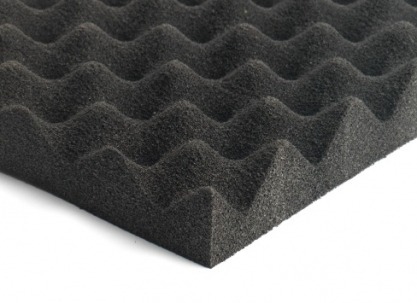
Class 0 Foam is an impregnated flexible polyurethane foam treated with mineral compounds that make it chemically inert and non-combustible. Unlike standard foam materials that may ignite or melt under heat, Fireseal maintains its integrity even under extreme conditions.
It complies with Class 0 fire rating standards, meaning it achieves the lowest possible flame spread and smoke development levels. In simpler terms—it won’t support combustion and acts as a shield against heat and flames.
Its open-celled structure also gives it excellent acoustic performance, making it ideal for use in spaces that require both fire resistance and noise reduction.
3. Key Features of Class 0 Foam
The unique characteristics of Class 0 Foam make it a premium choice for architects, engineers, and manufacturers. Some of its most notable features include:
- Fire Resistance:
The foam has a nil burn rate, meaning it resists ignition and prevents flame spread—perfect for high-risk environments like generator rooms or vehicle interiors. - Acoustic Excellence:
Fireseal’s high-density composition absorbs and dampens sound waves, offering superior noise control in industrial or marine environments. - Flexible and Easy to Shape:
Its adaptable nature allows it to be applied to curved surfaces and fitted around complex shapes, making installation simple. - Safe and Non-Toxic:
It’s CFC & HCFC-free, non-fibrous, and non-dusting, ensuring a safe working and living environment. - Versatile Finishing Options:
Available with foil facings, polymeric barriers, or self-adhesive backing, Fireseal can be customized for specific applications or aesthetic preferences.
4. Applications – Where Class 0 Foam Makes a Difference
Class 0 Foam (Fireseal) has an incredibly wide range of applications due to its dual performance in fire protection and sound absorption. Here are some common use cases:
a. Industrial and Construction Environments
Used in engine rooms, generator canopies, and factory walls, Class 0 Foam minimizes both heat transfer and machinery noise. It’s also used in construction for partition walls and acoustic ceilings.
b. Marine Applications
Marine engineers use Class 0 Foam in ship engine rooms and acoustic enclosures, where fire protection and vibration control are essential.
c. Automotive and Heavy Vehicles
Fireseal can be installed in cabins, headliners, and trim panels to control noise and meet fire safety regulations. The Silver Dolphin fabric option provides an attractive finish for vehicle interiors.
d. Commercial Buildings and Public Spaces
In offices, cinemas, or auditoriums, it improves sound quality and reduces echo, while offering a layer of fire safety compliance.
e. Data Centers and Electrical Installations
For areas containing sensitive electrical components, Fireseal acts as both thermal insulation and fire barrier, ensuring safety and performance stability.
5. Acoustic Performance – The Science Behind Sound Control
While Class 0 Foam is renowned for fire resistance, its acoustic performance is equally impressive. The open-cell structure of Fireseal traps and dissipates sound waves, reducing reflections, reverberations, and echoes.
In industrial settings, this means quieter machinery operations and improved working conditions. In offices or studios, it results in clearer sound quality and better speech intelligibility.
When combined with other acoustic materials such as polymeric barriers or damping sheets, Fireseal becomes part of a complete soundproofing system that tackles both airborne and impact noise.
6. Installation Tips – Getting the Most from Class 0 Foam
Installing Class 0 Foam is straightforward, but following best practices ensures optimal performance:
- Clean the surface before applying to improve adhesion.
- Use self-adhesive backing or spray adhesive for secure mounting.
- Cover critical noise and heat zones, such as around engines or panels.
- Consider foil-faced versions for high-heat environments or where reflective surfaces are needed.
Fireseal is available in sheets, rolls, or profiled form, offering flexibility for different applications and installation conditions.
7. Benefits of Using Class 0 Foam (Fireseal)
Here are some of the standout advantages that make Fireseal a trusted choice for professionals across industries:
✅ Superior Fire Protection: Prevents the spread of flames and minimizes fire-related damage.
✅ Enhanced Acoustic Control: Reduces unwanted noise, vibrations, and echoes.
✅ Durable and Long-Lasting: Resistant to erosion, moisture, and air movement.
✅ Safe and Eco-Friendly: Nontoxic, CFC- and HCFC-free, and suitable for health-conscious environments.
✅ Customizable: Available in different densities, coatings, and finishes to meet unique project needs.
✅ Cost-Effective Solution: Combines fire safety and soundproofing in one material, reducing the need for multiple layers.
8. Fireseal vs. Traditional Acoustic Foams – What Makes It Better?
Traditional acoustic foams are effective for echo reduction but often lack fire resistance. Fireseal, however, delivers both—meeting Class 0 fire standards while maintaining excellent sound absorption.
Whereas conventional foam may deteriorate or emit smoke when exposed to heat, Fireseal stays stable and safe. This dual functionality makes it an unbeatable choice for modern buildings and industrial environments where safety regulations are strict and acoustic control is essential.
9. Why Industries Trust Class 0 Foam
Companies in construction, transport, marine, and manufacturing sectors increasingly turn to Class 0 Foam for one simple reason—it performs where others fail. Its reliability, ease of installation, and proven safety record make it ideal for meeting UK fire safety standards and acoustic requirements in one go.
Suppliers like Acoustafoam specialize in delivering Fireseal products tailored to specific needs—offering custom-cut sheets, faced panels, and adhesive options that save time and labour.
10. Conclusion – Fireseal: The Smart Choice for Safety and Silence
If your project demands fire safety, noise reduction, and long-term durability, Class 0 Foam (Fireseal) is the material to trust. It not only meets the highest standards of fire performance but also enhances acoustic comfort in demanding environments.
From industrial machinery to modern office spaces, Fireseal offers a balanced solution—protecting lives, equipment, and peace of mind.
In short: Fireseal isn’t just foam—it’s your first line of defence against fire and unwanted noise.