

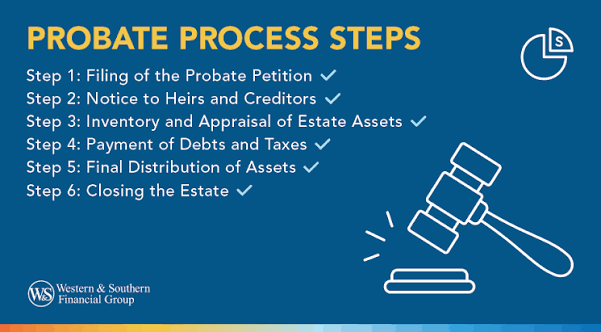
When someone passes away, family members may have to handle a variety of financial and legal responsibilities. If the person owned property or other assets that require court administration, probate may become an important part of settling the estate. For people who have never dealt with probate before, the process can seem complicated and unfamiliar.
What Is Probate?
Probate generally involves the legal administration of a deceased person’s estate. Depending on the circumstances, the process may include validating a will, identifying assets, addressing debts and taxes, and distributing remaining property to beneficiaries.
The exact steps can vary depending on the nature of the estate, the documents involved, and whether disagreements arise among family members or other interested parties.
A probate attorney Wexford PA can help an executor or family member understand responsibilities associated with estate administration. Legal guidance can be particularly useful when an estate includes substantial assets, complicated property ownership, creditor issues, or disputes among beneficiaries.
Appointing an Estate Representative
The probate process often begins with identifying the appropriate person to administer the estate. If there is a valid will, the document may name an executor to handle the estate.
If there is no will, Pennsylvania law provides rules concerning who may be appointed to administer the estate. The representative’s responsibilities can include gathering assets, addressing valid obligations, handling required paperwork, and distributing property according to the applicable legal requirements.
Identifying and Securing Estate Assets
Once an estate representative has been established, identifying and securing estate assets is an important step. Assets may include real estate, bank accounts, investments, vehicles, personal property, and business interests.
Maintaining accurate records can help the representative determine what property belongs to the estate and what steps may be necessary to protect or administer those assets.
Addressing Debts and Expenses
An estate may have outstanding obligations such as mortgages, credit card balances, medical bills, taxes, or other debts and expenses.
The estate representative generally needs to determine which obligations are legitimate and how they should be addressed before distributing remaining estate property. Keeping documentation of payments and other estate expenses can help maintain an accurate record of the administration process.
Understanding the Role of a Will
A will can provide important instructions concerning the distribution of certain assets after death. However, having a will does not necessarily mean that every part of an estate will be straightforward.
Questions can arise concerning beneficiaries, property ownership, creditor claims, or the interpretation of provisions in the document. When questions arise, the representative may need legal guidance to understand how the will should be handled under applicable Pennsylvania law.
Not Every Asset Goes Through Probate
Not every asset necessarily passes through probate. Certain property may transfer through beneficiary designations, joint ownership arrangements, trusts, or other mechanisms.
Understanding how individual assets are titled or designated can therefore be important when evaluating an estate. Reviewing ownership documents and beneficiary information can help clarify which assets may require probate administration and which may transfer through another process.
Paying Attention to Real Estate
Real estate can require particular attention during estate administration. Property may need to be maintained, valued, transferred, or sold depending on the circumstances.
If multiple beneficiaries have an interest in a home, land, or another property, disagreements can sometimes arise over whether the property should be sold, retained, or otherwise handled. Clear documentation and appropriate legal guidance can help address these issues.
Keep Family Communication Clear
Communication among family members can sometimes make estate administration easier. When beneficiaries understand what is happening and receive appropriate information, misunderstandings may be reduced.
However, disagreements can still arise, particularly when family relationships are complicated or beneficiaries have different expectations about the estate. Keeping important communications organized can be useful if questions later develop.
Maintain Organized Estate Records
Estate representatives should maintain detailed records throughout the administration process. These may include receipts, account statements, correspondence, property documents, tax information, bills, and records of distributions.
Organized documentation can help demonstrate how estate assets and expenses were handled and make it easier to respond to questions from beneficiaries or other interested parties.
How Long Does Probate Take?
The length of the probate process can vary considerably depending on the circumstances of the estate. A relatively straightforward estate may be easier to administer than one involving substantial assets, real estate, business interests, creditor issues, or disputes.
Administrative requirements, unresolved questions, and disagreements can also affect how long the process takes. Beneficiaries should therefore avoid assuming that an inheritance will be distributed immediately after someone passes away.
When Can Beneficiaries Receive Property?
Receiving an inheritance is not always an immediate process. Certain administrative responsibilities generally need to be addressed before remaining estate assets can be distributed.
The estate representative may need to identify assets, address debts and expenses, complete required administrative steps, and determine what property remains available for distribution. Distributing assets prematurely can potentially create complications for the estate.
Handling Probate Disputes
Disputes can sometimes arise during probate. Family members or beneficiaries may question the validity of a will, the actions of an executor, ownership of particular assets, or the proposed distribution of property.
When disagreements become serious, legal advice can help those involved understand the issues and the rights and responsibilities that may apply.
Understanding an Executor’s Responsibilities
Serving as an executor or estate representative is an important responsibility. An executor should not assume that every decision is simply a matter of personal preference.
The representative may have legal duties concerning estate assets, debts, beneficiaries, records, and distributions. Understanding those responsibilities before taking significant action can help reduce the risk of avoidable problems.
Getting Legal Guidance During Probate
For families in Wexford, understanding the basic probate process can make an unfamiliar responsibility easier to manage. Identifying assets, organizing records, addressing debts, and keeping track of important documents can help provide a clearer picture of the estate.
Probate is also only one type of legal matter that can affect families. Individuals dealing with broader family-related legal concerns may also benefit from information provided by Pittsburgh Family Law Attorneys regarding the family law services available.
Every estate is different. The appropriate steps can depend on the existence of a will, the types of assets involved, outstanding obligations, family relationships, and whether disputes arise. Obtaining guidance based on the specific circumstances can help an estate representative better understand the responsibilities involved and work toward an orderly administration.