

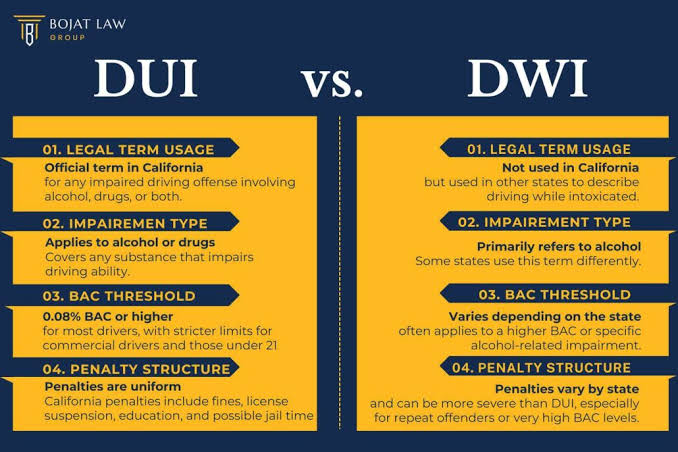
People often use the terms DUI and DWI interchangeably when discussing impaired driving, but the terminology and laws can vary from one state to another. In South Carolina, understanding the language used in impaired driving cases is particularly important for anyone who has been stopped, arrested, or charged.
DUI generally refers to driving under the influence of alcohol, drugs, or a combination of substances that impair a person’s ability to operate a vehicle safely. The specific legal definition and penalties depend on the applicable state law and circumstances of the alleged offense.
The phrase difference between dui and dwi can therefore be confusing because different jurisdictions use these terms differently. Some states use DUI, while others use DWI, and certain states may use both terms for different offenses. A person should always look at the law applicable to the state where the alleged conduct occurred rather than relying on terminology used elsewhere.
In South Carolina, impaired driving cases are generally addressed under DUI laws. The prosecution may rely on evidence such as an officer’s observations, field sobriety testing, chemical testing, video footage, witness accounts, and other information when presenting its case.
A traffic stop does not automatically establish that a driver was legally impaired. The circumstances leading to the stop, the officer’s observations, and the evidence gathered afterward can all become relevant to the case.
Chemical testing can also raise questions. Depending on the circumstances, testing may involve breath, blood, or other methods. Issues involving the collection, handling, accuracy, or interpretation of test results may need to be examined carefully.
A dui lawyer columbia sc can help a person understand the specific allegations and evidence involved in an impaired driving case. The appropriate legal approach depends on what happened before, during, and after the traffic stop.
Field sobriety tests may also form part of an investigation. These tests can involve physical tasks intended to help an officer assess possible impairment. However, performance can potentially be affected by factors other than alcohol or drugs, including medical conditions, fatigue, footwear, weather, lighting, or nervousness.
When an impaired driving investigation involves allegations related to controlled substances, the legal issues may overlap with other types of criminal allegations. In those situations, a columbia sc drug crime defense lawyer can help a person understand the charges, evidence, and applicable South Carolina laws that may be relevant to the case.
Video evidence can provide another source of information. Some law enforcement vehicles or facilities may record portions of an encounter. Such footage may help clarify what was said or observed during the stop and subsequent investigation.
The consequences of an impaired driving conviction can be significant. Depending on the circumstances, a person may face fines, license related consequences, alcohol or drug education requirements, probation, or incarceration. Penalties can vary based on factors such as prior offenses and the circumstances of the alleged conduct.
An impaired driving charge can also affect everyday life. Losing driving privileges may make it difficult to commute to work, attend school, care for children, or handle routine responsibilities. Some people may also experience increased insurance costs after a conviction.
A person’s behavior after an arrest can be important as well. Defendants should comply with applicable court requirements and avoid discussing the case publicly. Online posts and messages may potentially be reviewed as part of an investigation or proceeding.
It is also useful to preserve documents related to the incident. The citation, arrest paperwork, court notices, receipts, medical information, and other relevant records should be kept organized.
Not every DUI case has the same evidence or circumstances. A person may believe that the case is straightforward based on what happened during the traffic stop, but legal issues can sometimes be more complicated than they initially appear.
The terminology surrounding DUI and DWI can also create confusion when people search for information online. A discussion of DWI laws in another state may not accurately explain how a South Carolina case is handled. Local law and the specific allegations should always be considered.
People should also understand that a charge is not the same as a conviction. The prosecution must establish the case according to the applicable legal standard, and the defendant has rights throughout the process.
For anyone facing an impaired driving charge in Columbia, learning about the applicable South Carolina laws and understanding the evidence involved can provide a clearer picture of the situation. Taking the charge seriously, keeping important records, meeting court requirements, and obtaining qualified legal guidance can help a person make informed decisions about the next steps.