

An illness or injury can temporarily prevent a person from working and create financial uncertainty at a time when medical expenses may already be increasing. Short term disability benefits can provide financial assistance in certain situations, but eligibility and coverage depend on the specific disability policy or benefit program involved.
Unlike workers’ compensation, which generally addresses injuries or illnesses connected to employment, short term disability benefits may cover qualifying conditions that prevent someone from performing their job even when the condition did not occur at work. Understanding this distinction is important when determining which benefits may apply.
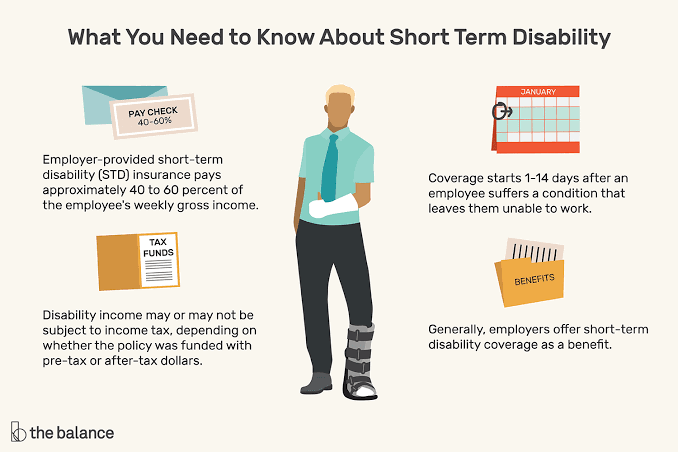
Short term disability coverage is often provided through an employer, although policies can vary significantly. Some employers pay for coverage as part of an employee benefits package, while others may allow employees to purchase coverage through payroll deductions.
The terms of the specific policy are extremely important. A policy may define disability in a particular way, establish an elimination or waiting period, require medical documentation, and place limits on how long benefits can continue.
For individuals researching pennsylvania short term disability, reviewing the applicable policy is an important starting point. The policy may explain who qualifies, what medical evidence is required, how benefits are calculated, and what steps must be followed when submitting a claim.
Medical documentation is often central to a disability claim. A healthcare provider may need to provide information about the condition, treatment, restrictions, expected recovery period, and ability to perform work related duties. Incomplete or inconsistent medical information can make a claim more difficult to evaluate.
A person should generally report a disability according to the procedures established by the employer or insurance provider. Delaying notification may create administrative complications, particularly when the policy contains specific deadlines for submitting notice or proof of claim.
The definition of disability can also vary. Some policies may focus on whether a person can perform the essential duties of their own occupation, while others may use a different standard after benefits have been paid for a certain period. Understanding the language of the policy can therefore be important.
Short term disability benefits may replace only a portion of a person’s regular income. The exact percentage and maximum benefit can vary according to the policy. Employees should review their coverage so they have a realistic understanding of what financial assistance may be available.
Taxes can also affect the amount a person ultimately receives. The tax treatment of disability benefits can depend on how the premiums were paid and the terms of the plan. Individuals with questions about taxation may want to consult an appropriate tax professional.
A disability claim may involve more than submitting a doctor’s note. Insurance companies may request medical records, treatment information, employment details, functional limitations, and other documentation. Claimants should provide accurate information and keep copies of everything they submit.
Some claims are approved without significant difficulty, while others may be denied or delayed. An insurer may argue that the available medical evidence does not establish disability under the policy’s definition or that the required documentation is incomplete.
When a claim is denied, the denial letter and policy language should be reviewed carefully. Many plans provide an appeal process with specific requirements and deadlines. Missing an appeal deadline can affect the claimant’s ability to challenge the decision.
People should also avoid assuming that an initial denial is necessarily the final word. Depending on the type of policy and applicable law, there may be procedures for requesting reconsideration or appealing the decision.
Keeping a detailed record can be helpful throughout the process. Claimants should save medical records, correspondence, claim forms, denial letters, policy documents, and notes regarding conversations with the insurer or benefits administrator.
Employment information may also become relevant. Job descriptions, work requirements, salary information, and documentation of missed work can help establish the connection between the medical condition and the inability to perform job duties.
Short term disability is generally intended to address temporary periods when a person cannot work because of a qualifying medical condition. However, some conditions may last longer than initially expected. In those situations, individuals should understand whether their policy provides any transition to long term disability coverage or other benefits.
The distinction between private disability insurance and other public benefit programs can also be important. Different programs have different eligibility rules, application procedures, and definitions of disability.
Someone who is already receiving workers’ compensation or another form of benefit may have additional questions about how different sources of income interact. The answer can depend on the applicable policies and benefit programs.
For individuals who need assistance understanding their rights, a Personal injury lawyer franklin county may be able to explain whether other legal issues should also be considered when an injury or illness affects employment. The appropriate legal professional depends on the source of the disability and the type of benefit involved.
Planning ahead can also be useful. Employees who have access to disability coverage should review their benefits before an illness or injury occurs. Knowing where the policy is located and understanding basic claim procedures can save time during an already difficult period.
A temporary inability to work can affect more than a person’s paycheck. Mortgage or rent payments, household expenses, medical bills, and other financial obligations continue even when income is reduced. Understanding available benefits can help individuals plan for these challenges.
Short term disability claims can involve detailed policies and strict procedures. Reading the policy carefully, obtaining appropriate medical documentation, meeting deadlines, and keeping organized records can help create a stronger foundation for a claim.
When a claim is denied or a dispute develops, professional advice may help clarify the available options. The appropriate course of action depends on the policy, medical evidence, employment circumstances, and reason for the denial.