

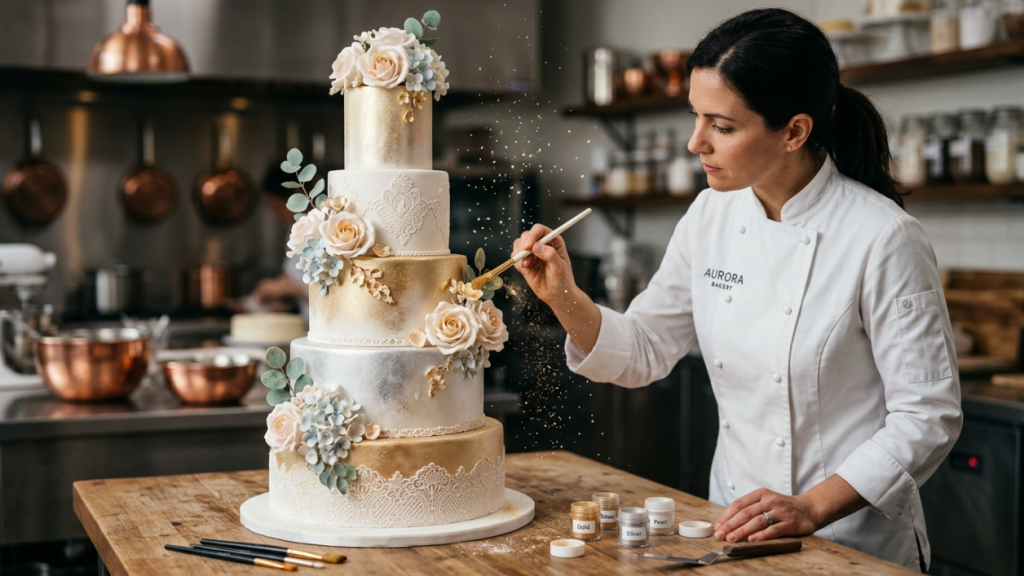
Modern cake decorating has become a creative art form where color, texture, and visual appeal matter just as much as flavor. One ingredient that has changed the way bakers create elegant desserts is edible luster dust. This sparkling decorating powder gives cakes, chocolates, cookies, and pastries a beautiful metallic or pearlescent finish that catches the eye instantly.
But the magic behind this shine is not just decoration—it is science. The unique appearance of luster dust comes from carefully selected edible ingredients, light reflection, and specialized coloring techniques. Understanding how luster dust, edible glitter, and edible luster dust work can help professional bakers and home decorators achieve better results.
In this guide, we will explore the science behind edible shimmer, how these products create stunning effects, and why high-quality luster dust has become an essential tool for modern dessert design.
What Is Edible Luster Dust?
Edible luster dust is a fine decorative powder designed to add shine, color, and dimension to food surfaces. Unlike ordinary food coloring, which mainly changes the color of a dessert, luster dust creates a reflective effect that makes decorations appear metallic, glowing, or pearl-like.
Bakers commonly use edible luster dust on:
- Wedding cakes
- Fondant decorations
- Chocolate desserts
- Cupcakes
- Cookies
- Candy designs
- Sugar flowers
- Celebration cakes
The powder is available in many shades, including gold, silver, bronze, pearl, rose gold, and vibrant colors. These variations allow decorators to create everything from luxury wedding designs to playful themed desserts.
The appeal of luster dust comes from its ability to interact with light. Instead of simply absorbing light like traditional colors, the tiny particles reflect and scatter light, producing a sparkling appearance.
The Science of Shine: How Luster Dust Creates a Metallic Effect
Light Reflection and Particle Structure
The main reason edible luster dust creates a glowing finish is the way its microscopic particles interact with light.
When light hits the surface of a dessert decorated with luster dust, tiny reflective particles bounce light back toward the viewer. This creates the illusion of depth, brightness, and metallic shine.
The effect depends on several scientific factors:
- Particle size
- Particle shape
- Surface texture
- Application method
- Amount of product used
Smaller particles often create a soft pearl effect, while larger reflective particles can produce a stronger sparkle similar to edible glitter.
This principle is similar to how pearls, gemstones, and metallic surfaces appear shiny. Their surfaces contain structures that reflect light in different directions.
What Ingredients Create the Shine in Edible Luster Dust?
High-quality edible luster dust is created using carefully selected food-safe ingredients. The exact formula can vary depending on the manufacturer and desired finish, but many products use ingredients that provide color, brightness, and texture.
Common components may include:
Food-Safe Colorants
Color pigments are responsible for creating different shades. These pigments allow decorators to achieve rich colors without changing the taste or texture of the dessert.
For example:
- Gold shades create a luxurious appearance.
- Silver tones provide an elegant metallic look.
- Pearl shades create a soft glowing finish.
- Bright colors add creativity to themed desserts.
Mineral-Based Food Ingredients
Some edible decorative powders use approved mineral-based ingredients to create reflective properties. These ingredients help produce the metallic appearance that makes luster dust unique.
They are processed into very fine particles so they can spread smoothly across food surfaces.
Sugar-Based Decorative Components
Some edible glitter products use sugar-based ingredients to create sparkle. These materials are designed to provide visual appeal while remaining suitable for consumption.
The quality of ingredients plays an important role in the final appearance. Premium edible luster dust provides better coverage, smoother application, and more consistent results.
Edible Glitter vs. Edible Luster Dust: Understanding the Difference
Although many people use the terms interchangeably, edible glitter and edible luster dust create different effects.
Edible Glitter
Edible glitter usually contains larger particles that create a noticeable sparkle effect. It works well when decorators want a bold, eye-catching finish.
Common uses include:
- Party cakes
- Holiday desserts
- Cupcake decorations
- Fun-themed treats
Edible Luster Dust
Edible luster dust has much finer particles. Instead of creating obvious flakes, it produces a smooth shimmer or metallic glow.
It is ideal for:
- Elegant wedding cakes
- Realistic sugar flowers
- Luxury dessert designs
- Detailed decorations
Choosing between edible glitter and luster dust depends on the style you want to create. For a sophisticated metallic finish, edible luster dust is often the preferred choice among professional decorators.
How Bakers Use Science to Apply Luster Dust Effectively
The final appearance of luster dust depends not only on the product itself but also on the application technique.
Dry Application Method
The dry brushing technique is one of the easiest ways to apply luster dust.
Bakers use a soft brush to gently apply powder directly onto decorations. This method works especially well for:
- Fondant flowers
- Decorative shapes
- Small details
- Textured surfaces
The dry method creates a soft shimmer and allows decorators to build color gradually.
Wet Application Method
For a stronger metallic effect, luster dust can be mixed with a suitable liquid to create edible paint.
This technique is commonly used for:
- Metallic cake details
- Painted designs
- Lettering
- Decorative patterns
The liquid helps spread the particles evenly, creating a smoother finish.
Airbrush Application
Professional decorators may also use airbrush tools to apply edible luster dust. This allows for:
- Even coverage
- Gradient effects
- Large surface decoration
- Professional finishes
The application method changes how light reflects from the surface, which directly affects the final appearance.
Why Surface Texture Matters When Using Luster Dust
The surface of a dessert plays an important role in how shine appears.
A smooth fondant surface reflects light differently compared to a textured buttercream surface. This is why the same luster dust can look different depending on where it is applied.
Smooth surfaces usually create:
- Stronger metallic effects
- More visible reflections
- Cleaner finishes
Textured surfaces often create:
- Softer highlights
- Natural-looking shimmer
- More artistic effects
For the best results, decorators should consider both the product quality and the surface they are decorating.
The Role of Color Science in Dessert Decoration
Color psychology is another important part of using edible luster dust effectively.
Different colors create different emotions and styles:
Gold Luster Dust
Gold represents luxury, celebration, and elegance. It is popular for wedding cakes, anniversary desserts, and premium designs.
Silver Luster Dust
Silver creates a modern, clean appearance. It works well for winter themes, elegant events, and futuristic designs.
Pearl Luster Dust
Pearl shades create a soft, sophisticated glow. They are often used for delicate decorations like sugar flowers and bridal cakes.
Bright Colored Luster Dust
Vibrant shades allow decorators to create creative designs for birthdays, themed parties, and artistic desserts.
Understanding color science helps bakers choose the right finish for each occasion.
Why Quality Matters When Choosing Edible Luster Dust
Not all decorative powders provide the same results. The quality of the ingredients, particle consistency, and manufacturing process can significantly affect performance.
Premium luster dust offers benefits such as:
- Smooth application
- Strong color payoff
- Consistent shine
- Professional-looking results
- Better control during decorating
For decorators who want reliable finishes, choosing a trusted source for edible luster dust can make a major difference.
High-quality products allow both beginners and professionals to experiment with advanced decorating techniques while achieving beautiful results.
Creative Ways to Use Edible Luster Dust
Edible luster dust is not limited to traditional cakes. Creative decorators use it in many ways, including:
- Brushing gold details onto cookies
- Adding shimmer to chocolate decorations
- Highlighting sugar flowers
- Creating metallic cake toppers
- Decorating holiday desserts
- Enhancing handmade candies
Because it works with different textures and surfaces, luster dust gives decorators endless creative possibilities.
The Future of Edible Dessert Decoration
As baking continues to combine creativity with technology, decorative ingredients like edible luster dust will continue to evolve.
Consumers increasingly want desserts that are visually impressive and shareable on social media. This demand has encouraged bakers to explore new techniques, colors, and finishes.
Future developments may include:
- More natural color options
- Advanced shimmer effects
- New application techniques
- Expanded color collections
The science behind edible decoration continues to help bakers transform simple desserts into memorable experiences.
FAQ
1. What is edible luster dust used for?
Edible luster dust is used to decorate cakes, cookies, chocolates, and other desserts by adding shimmer, metallic effects, and beautiful color finishes.
2. Is edible luster dust the same as edible glitter?
No. Edible glitter usually creates a stronger sparkle effect with larger particles, while edible luster dust creates a smoother metallic or pearlescent shine.
3. How do you apply luster dust to cakes?
Luster dust can be applied using a dry brush, mixed with a suitable liquid to create edible paint, or sprayed using an airbrush for larger areas.
4. Can edible luster dust change the taste of desserts?
High-quality edible luster dust is designed to decorate desserts without significantly affecting their flavor.
5. What desserts can be decorated with luster dust?
Luster dust can be used on fondant, buttercream, chocolate, cookies, candies, sugar flowers, and many other dessert surfaces.
6. Why does luster dust look shiny?
Luster dust looks shiny because its fine particles reflect and scatter light, creating a metallic or pearl-like appearance.
Conclusion
The beauty of edible luster dust comes from a combination of food science, light reflection, color technology, and creative application. Its tiny reflective particles allow decorators to create metallic finishes, soft shimmer, and eye-catching designs that elevate ordinary desserts.
Whether you are decorating a wedding cake, creating custom cookies, or experimenting with artistic desserts, understanding how luster dust, edible glitter, and edible luster dust work can help you achieve professional-quality results.
Choosing a reliable source for high-quality edible decorating products makes it easier to create stunning finishes with confidence. With the right techniques and a little creativity, luster dust can turn any dessert into a true work of art.