

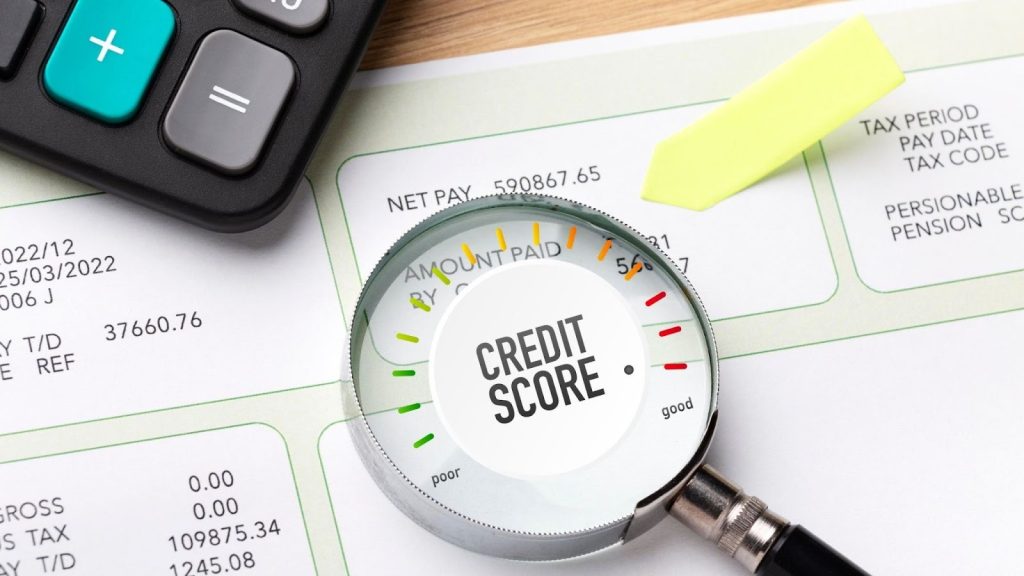
Small, everyday money habits can silently drag down your credit score. And the good news is that most damage is preventable and reversible with the right moves.
A credit score might look like just a three-digit number (300–900), but it can make a real difference. It can help you gain a lower home loan interest rate, qualify for a premium credit card, or get faster approval on a loan. The tricky part is that scores often drop because of small, easy-to-miss habits, and you usually notice only when you need credit urgently.
If your score isn’t where you want it to be, here are some things to avoid and proven tips to help you reach a 750+ score.
1) Late or missed payments
Payment history is one of the most influential parts of a credit score. If you miss just one EMI or credit card due date, and your CIBIL (credit) score can drop sharply.
How to fix it: If you’ve missed a payment, clearing it as soon as possible is the best way to limit damage. Automate wherever possible like auto-debit for EMIs, auto-pay for card bills, and backup calendar reminders.
2) High credit utilization (especially above 30%)
Even if you pay on time, regularly using too much of your available credit can signal stress to lenders. A common benchmark is keeping spending under 30% of your credit card limit. For example, using under INR 30,000 if your limit is INR 1 lakh.
How to fix it: Pay down balances before the billing cycle ends, not just before the due date. If you’re consistently close to your limit, consider requesting a limit increase or spreading spending across cards to lower utilization.
3) Too many credit applications in a short time
Each time you apply for a loan or card, lenders may run a “hard inquiry.” Multiple inquiries close together can make you look higher-risk. A single hard inquiry can lower a score by around 0–10 points.
How to fix it: Space our applications by at least 3–6 months, and shortlist options carefully before submitting formal applications. Apply only when you genuinely need a credit card or loan.
4) Closing older credit accounts
Length of credit history matters. Closing an older credit card can reduce your history length and shrink your total available credit, which can hurt your score.
How to fix it: Keep older credit cards active with a small transaction every few months. Close accounts only when there’s a clear cost or risk to keeping them.
5) An unbalanced credit mix
Lenders like to see responsible management across different kinds of credit. A mix of secured loans (like home loan/car loan) and unsecured credit (like cards/personal loans) can support a healthier profile.
How to fix it: Don’t take a loan just for variety, but do be intentional about your overall portfolio, especially if you rely solely on cards.
6) Errors on your credit report
Incorrect balances, wrongly marked late payments, or accounts you never opened can pull your score down.
How to fix it: Check your credit report at least annually and dispute inaccuracies through official channels. Many corrections are resolved within 30–45 days. Tools like FixMyScore make it easy to monitor your report and identify discrepancies that need fixing.
A quick myth-buster: checking your score doesn’t hurt it
Many people avoid monitoring because they fear it will reduce their credit score. But “soft inquiries” (when you check your own score) do not affect your credit score. “Hard inquiries” typically occur when lenders evaluate an application and can cause a temporary dip.
The bigger picture: progress is possible—and measurable
Credit score improvement is not magic, it’s a system. With consistent, smart habits, you can start seeing real progress in 4–8 months. Since major life goals can hinge on a three-digit score, the smartest move is to take control of your credit score before your next big application. Start with one habit like paying on time or keeping utilization low, and let small wins build into long-term financial advantage. Monitor and improve your score with tools built for your success.