

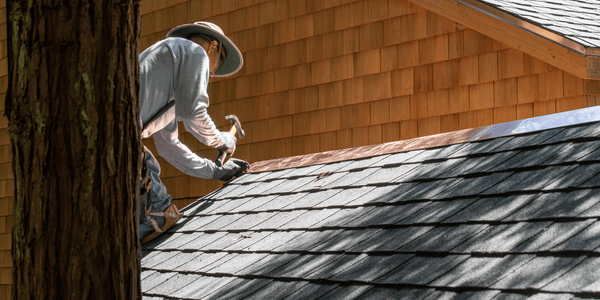
Roof installation is a critical aspect of building construction and maintenance that requires a keen eye for detail and the use of quality materials. One aspect that must not be overlooked is the protection of the roof’s edges, particularly the corners which are highly susceptible to water ingress. To ensure the integrity of the roof at these junctures, corner flashing is used as an essential component for waterproofing and fortifying the roof’s structure.
Understanding the Role of Corner Flashing
Corner flashing is a specialised form of metalwork designed to safeguard the edges of the roof, especially where two roof planes intersect. It’s the protective barrier that stands between the highly vulnerable corners and the external environment. These materials envelope the corner areas to divert water away from the underlying construction, thereby preventing leaks, mould growth, and structural decay.
The Industrial Importance of Corner Flashing
In the realm of industrial roofing, corner flashing assumes a significant role, one that transcends basic function and enters into the realm of structural necessity. Any facility’s roofing system without adequate flashing is at risk, and the corners are the battlefronts where most weather-induced damages initiate.
Choosing the Right Corner Flashing
Selecting the suitable corner flashing is paramount for roof longevity. Professionals in the industry opt for materials that not only match aesthetically with the existing roof but also offer durability and resistance against harsh weather conditions. Aluminium, galvanised steel, and copper are among the preferred choices for their longevity and resilience.
Installation of Corner Flashing
The process of installing corner flashing involves precision and expertise. Incorrect fitting can compromise the roof’s functionality, leading to potential damage in the future. The steps generally include measuring the areas, cutting the flashing to fit perfectly, and securing it using appropriate fasteners or adhesives that withstand extreme weather without faltering.
Integrated Roofing Systems and Corner Flashing
An integrated roofing system is a holistic approach that sees the roof as a composite entity rather than a collection of individual parts. In such systems, the significance of corner flashing is accentuated as it works in conjunction with underlayments, shingles or tiles, and other flashing types to create a cohesive, waterproof seal over the structure.
Ensuring Professional Installation
Given the crucial nature of corner flashing in roofing systems, professional installation is strongly recommended. Expert roofers possess the knowledge to assess the specific needs of a building’s structure and to correctly install the flashing in a manner that maximises its efficacy and lifespan.
The Impact of Corner Flashing on Roof Longevity
The protective properties of corner flashing have a direct effect on the roof’s longevity. A well-installed, high-quality corner flashing system helps to defer the onset of wear and tear by preventing water penetration and the subsequent degradation of the roof’s materials and support structure.
Maintenance and Inspection of Corner Flashing
Regular maintenance and inspection are vital for sustaining the protective qualities of corner flashing. Property owners should incorporate flashing checks into their routine roof maintenance schedules, looking for any signs of damage or deterioration such as rusting, lifting, or separation from the roof substrate.
Addressing Corner Flashing in Roof Renovation
When renovation comes into play, particularly in older buildings, special attention must be given to the corner flashing. If renovation involves the roof, existing flashing should be evaluated and replaced if necessary. The integrity of the entire roofing system depends on the condition of the flashing at the roof’s borders and corners.
Corner Flashing in Different Climatic Zones
Different geographic locations, with their unique climate conditions, necessitate the use of appropriate flashing materials. Coastal areas may require more corrosion-resistant materials, while colder regions benefit from flashing that caters to snow load and ice formation concerns.
Advancements in Corner Flashing Technology
The roofing industry continually evolves, bringing technological advancements to the forefront, including in the area of corner flashing. Modern materials offer greater adaptability and ease of installation without compromising on the traditional robustness required to withstand the tests of time and nature.
The Aesthetic Contribution of Corner Flashing
While its primary function is protective, corner flashing also contributes to the overall aesthetic of a building. Manufacturers now provide a wide array of styles and finishes that complement various architectural designs, seamlessly integrating functionality with visual appeal.
Conclusion
The role of corner flashing in the integrity and durability of roofing systems cannot be overstated. Its strategic installation and maintenance are critical for the prevention of water damage and the conservation of the structure that lies beneath. Whether constructing a new roof or renovating an old one, ensuring the proper implementation of quality corner flashing is an investment in the building’s longevity and a bulwark against the ever-present forces of nature.
Choosing the Right Partner for Roof Installation
In securing your roof’s edges with the best flashing solutions, choosing the right supplier and installation partner makes all the difference. Ensure that you opt for a partner with a reputable track record, who can provide both the materials and expertise necessary to implement a roofing system that stands the test of time.