

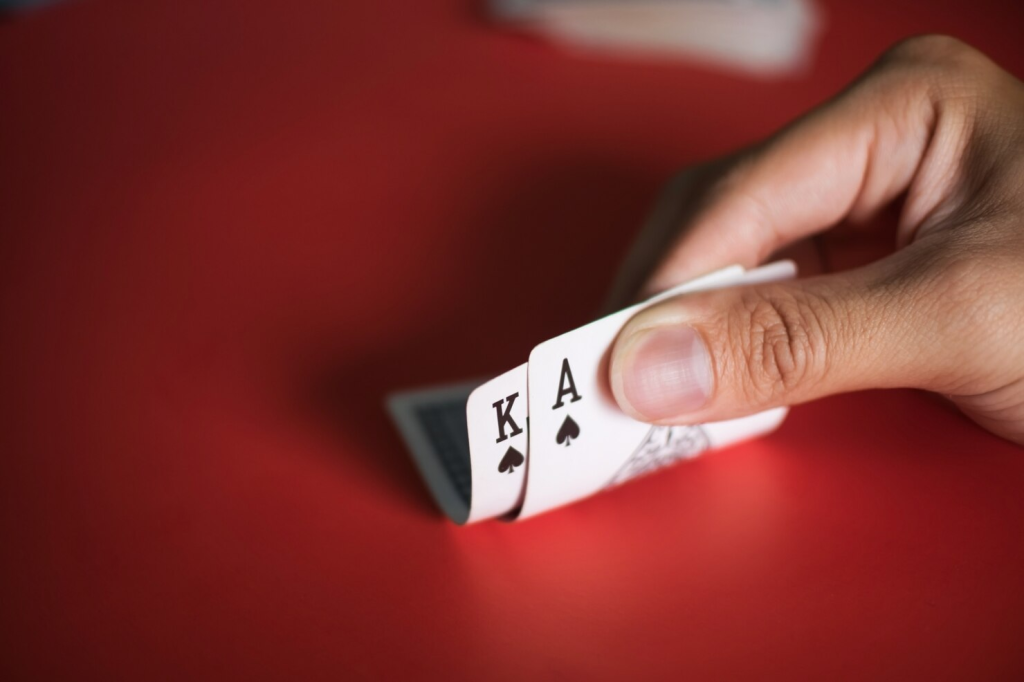
You sit at the table, get your cards, and decide in 30 seconds. The bet is placed. The result is unknown. That’s accurately how every day of yours goes – negotiations with the boss, choosing investments, conversation with a partner. Poker teaches not only to win money, but also to think in a way that makes life start unfolding according to your scenario.
Professionals do not earn on cards, but on reading opponents. Trembling hand during a bluff. Too quick a call on preflop. Glance to the left before a raise. These micro-signals are worth thousands of dollars at the table. In life, the same mechanism works. You notice how a colleague is nervous before a presentation – means he’s not confident in the numbers. Client constantly re-asks about conditions – looking for a catch, or doesn’t understand the offer. The boss avoids a direct answer – hides information.
On Planets Poker India players sharpen their observation skills through thousands of online poker hands. The more games, the clearer the patterns. The brain begins to automatically read people’s behavior, both at the table and outside it. Research from the University of California showed that poker players recognize lies 40% more accurately than regular people. This skill applies everywhere – from job interviews to family conversations.
Three Observation Habits from Poker
Experienced players developed concrete techniques that work in any situation:
- Fix the primary reaction of your interlocutor. It’s always honest, before “filters” turn on.
- Notice changes in behavior. The person is usually calm, but now is fussing. Look for the reason.
- Compare words with gestures. Says “yes” but shakes head? Trust the body, not words.
These rules save from mistakes more often than any psychologist’s advice.
Risk Management Instead of Panic
Playing poker means living in uncertainty. You never know the next card. But pros don’t panic – they calculate probabilities and make decisions based on mathematics, not emotions. A regular person fears risks and misses opportunities. Poker-playing entrepreneur evaluates chances objectively:
- The new project has 60% success rate. Invest money.
- Probability of failure 80%? Pass by without regrets.
- Situation unclear? Make a test bet with minimal resources.
Knowledge of poker combinations trains the brain to think in probabilities, not emotions. You stop fearing failure and start calculating the mathematical expectation of each decision.
Discipline Against Impulses
Online poker for money harshly punishes spontaneous decisions. One emotional call – minus a hundred dollars. A series of such mistakes – bankruptcy. Life works more slowly, but the principle is the same. Impulsive car purchase on credit. Sharp transition to a new job without studying the company. Investment in a friend’s startup without analyzing the business plan. Consequences don’t come immediately, but hit just as hard.
Poker training develops a reflex – pause before action. Wanted to do something? Stop. Calculate consequences. Evaluate alternatives. Only then act. A banal habit that saves years of life and a pile of money. Two rules of poker discipline:
- Never make decisions on emotions – neither in cards nor in life.
- Set limits in advance: how much time, money, and effort you’re ready to spend on a task.
Professionals live by these principles daily. Beginners perceive loss as tragedy. Pros see feedback in it. Research shows athletes and coaches can only recall 30% of game performance correctly without video review, which is why elite performers systematically analyze their failures. Blew the bankroll – now it’s clear where the strategy mistake is. Lost tournament – there’s a video recording for analysis.
The same logic applies in life. Failed project – got experience for the next one. Broke up a relationship – learned what definitely doesn’t suit you. Business didn’t take off – understood which approaches don’t work. How to play poker successfully – means learning to lose without self-flagellation. This habit makes you resistant to any blows of fate.
What Remains After Hands
Card table forms thinking that works everywhere. You begin to see life as a series of decisions with known probabilities. Emotions retreat, calculation comes forward. People become readable, risks – manageable, defeats – useful lessons. Combination poker is memorized in a week, but the winner’s mindset forms through years of practice.