

Peptides have become an increasingly discussed topic in modern wellness, skincare, sports recovery, and longevity conversations. From naturally occurring peptides in the human body to laboratory-developed compounds used in research and medicine, these short chains of amino acids can play different biological roles.
One peptide that has received particular attention in skincare and cosmetic research is copper tripeptide-1, commonly known as GHK-Cu. At the same time, the broader concept of peptide therapy covers a much wider group of compounds and potential applications.
Because peptide products are often promoted with ambitious claims online, it is important to understand what peptides are, how they may work, what research actually shows, and why professional guidance matters.
What Are Peptides?
Peptides are short chains of amino acids linked together by peptide bonds. Amino acids are the building blocks of proteins, but peptides are generally smaller than proteins.
The body naturally produces many different peptides that participate in biological processes. Depending on their structure, peptides can act as signalling molecules and influence processes involving cells, tissues, hormones, immune responses, or metabolism.
Synthetic peptides can also be developed to mimic or influence particular biological pathways.
This is why the term “peptide” does not describe one specific treatment. Different peptides can have completely different structures, mechanisms, uses, and safety profiles.
What Is Peptide Therapy?
The term Peptides Therapy is generally used to describe approaches involving specific peptides for a particular health, wellness, or cosmetic objective.
The type of peptide, its formulation, route of administration, dosage, and intended purpose can all vary.
Some peptide-based medicines have established clinical applications, while other peptides are still being investigated in laboratory or clinical research. Therefore, it is important not to treat every peptide product as if it has the same level of scientific evidence.
A healthcare professional can help determine whether a particular peptide-based approach is appropriate based on the individual’s circumstances and the available evidence.
Why Are Peptides Receiving So Much Attention?
Peptides have attracted interest because they can interact with biological pathways in relatively specific ways.
Researchers have investigated peptides in areas including:
- Tissue repair
- Skin health
- Hormonal signalling
- Metabolic processes
- Immune function
- Muscle and exercise-related research
- Ageing and longevity research
However, research interest should not be confused with proof of effectiveness.
A peptide that produces an interesting biological response in laboratory research may still require substantial clinical research before its effectiveness and safety in humans are fully established.
What Is GHK-Cu Peptide?
GHK-Cu is a naturally occurring copper-binding peptide. Its full name is glycyl-L-histidyl-L-lysine complexed with copper, and it is also known as copper tripeptide-1.
GHK-Cu has been studied particularly in relation to skin biology and tissue-related processes.
The compound can bind copper ions, and researchers have investigated its potential role in processes associated with extracellular matrix components, wound healing, and skin remodelling.
It is important to distinguish GHK-Cu from other peptides. The fact that one peptide has a particular biological function does not mean that all peptides have the same effects.
Potential GHK-Cu Peptide Benefits
Research into ghk cu peptide has focused heavily on skin and tissue-related applications.
Some of the areas of scientific interest include:
Skin appearance and elasticity
GHK-Cu has been investigated for its potential relationship with collagen and other components of the extracellular matrix.
Because collagen contributes to skin structure and firmness, researchers have explored whether copper peptides could have applications in cosmetic and dermatological formulations.
Skin repair research
GHK-Cu has also been studied in connection with wound-healing processes.
Laboratory and experimental research has examined how the peptide may influence cellular activity and tissue-remodelling pathways.
However, laboratory findings should not be interpreted as evidence that a cosmetic peptide product can independently treat wounds or medical conditions.
Antioxidant and cellular research
Another area of interest is the potential relationship between GHK-Cu and cellular responses to oxidative stress.
Researchers have explored several biological mechanisms involving the peptide, but the clinical significance of these mechanisms can depend on formulation, concentration, route of use, and the individual’s circumstances.
Peptide Therapy vs GHK-Cu: Are They the Same?
No peptide therapy is a broad term that can refer to approaches involving different peptide compounds.
GHK-Cu is one specific peptide.
A simple way to understand the relationship is:
Peptide therapy = broader category
GHK-Cu = one specific peptide within peptide research
Different peptides can have very different biological targets. Therefore, evidence about one peptide should not automatically be applied to another.
How Are Peptides Delivered?
The route of administration depends on the specific peptide and its intended use.
Possible routes include:
- Topical application
- Oral formulations for certain peptide-related products
- Injectable administration for specific medically established peptide medicines
- Other specialised delivery systems under investigation
The delivery method matters because peptides can behave differently depending on how they enter the body.
Many peptides are susceptible to degradation, which can affect their absorption and biological availability. This is one reason researchers continue to investigate improved peptide-delivery technologies.
What Should You Consider Before Using a Peptide Product?
Anyone considering peptide-based products should first establish exactly what compound they are considering.
The word “peptide” alone is not enough to determine whether a product is appropriate.
Consider the following:
Identify the specific peptide
Find out the exact name and formulation rather than relying only on general marketing terms.
Understand the intended use
A peptide studied for cosmetic skin applications is different from a peptide medication used for a specific medical condition.
Review the available evidence
Look for human clinical evidence where available. Laboratory studies can provide useful information about mechanisms but do not necessarily establish clinical effectiveness.
Consider the route of administration
Topical, oral, and injectable products can have different considerations regarding absorption, dosing, and potential adverse effects.
Discuss medications and health conditions
People who take prescription medication or have underlying health conditions should discuss peptide use with a qualified healthcare professional.
Safety Considerations
The safety profile of a peptide depends heavily on the specific compound and how it is used.
For topical peptide products, some people may experience local irritation, redness, dryness, or sensitivity depending on the formulation and individual skin type.
For systemic or injectable peptide products, the potential risks can be considerably different.
Unregulated or poorly labelled peptide products can also present additional concerns regarding purity, contamination, concentration, and storage.
This makes the source and quality of a peptide product important considerations.
Are Peptides Anti-Ageing Treatments?
Peptides are frequently marketed in the cosmetic industry as anti-ageing ingredients.
There is scientific interest in several peptides because of their possible effects on skin signalling, collagen-related processes, and the extracellular matrix.
However, ageing is a complex biological process involving genetics, environmental exposure, lifestyle, hormonal changes, and cumulative cellular changes.
No single peptide should be presented as a universal solution for ageing.
For skin health, established measures such as sun protection, appropriate skincare, adequate nutrition, and professional dermatological care when needed remain important.
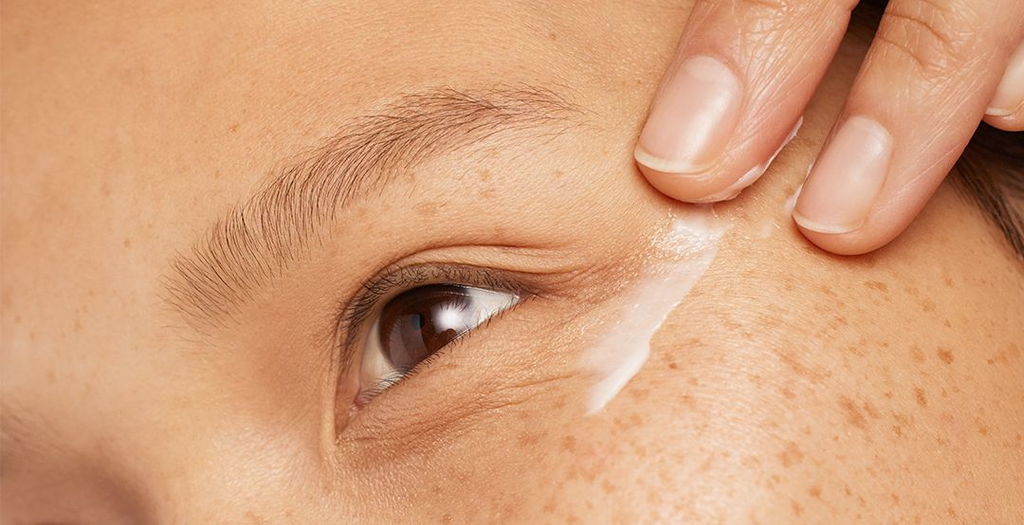
Peptides and Skin Care
Peptides have become common ingredients in modern skincare formulations.
Topical peptide products may be designed to support the appearance and condition of the skin. Depending on the formulation, they may be combined with ingredients such as moisturisers, antioxidants, or other active compounds.
When introducing a peptide-containing skincare product, it is sensible to follow the product’s instructions and introduce new active ingredients gradually, particularly if the skin is sensitive.
If persistent irritation occurs, use should be discontinued and professional advice sought.
The Importance of Evidence-Based Peptide Use
The popularity of peptides has also created a large amount of information online, ranging from scientific publications to anecdotal experiences and aggressive marketing.
Consumers should therefore distinguish between three different categories:
Established medical use: Some peptide-based medicines have well-defined clinical applications and have undergone regulatory evaluation.
Emerging research: Some peptides have promising laboratory or early clinical findings but require additional evidence.
Marketing claims: Some products may be promoted with benefits that have not been adequately demonstrated in high-quality human research.
This distinction is particularly important when a product is being promoted for multiple unrelated benefits.
Frequently Asked Questions
1. What is peptide therapy?
Peptide therapy is a broad term for approaches involving specific peptides for particular medical, cosmetic, or wellness purposes. Different peptides have different mechanisms and evidence levels.
2. What is GHK-Cu?
GHK-Cu is a copper-binding peptide also known as copper tripeptide-1. It has been studied particularly for its potential roles in skin biology, tissue repair, and extracellular matrix processes.
3. What is GHK-Cu peptide used for?
GHK-Cu has primarily attracted research interest in skincare and tissue-related applications. The evidence and effectiveness can vary depending on the formulation and intended use.
4. Are all peptides the same?
No. Peptides differ in their amino-acid sequences, biological targets, mechanisms, routes of administration, and safety profiles.
5. Can peptides help with skin ageing?
Some peptides are studied for their potential effects on skin structure and appearance. However, evidence varies between different peptides and formulations, and no single peptide should be considered a universal anti-ageing treatment.
6. Are peptide products safe?
Safety depends on the specific peptide, formulation, dose, route of administration, and product quality. Products from unreliable sources may carry additional risks related to purity and contamination.
7. Can I use peptides with other skincare products?
Some topical peptide formulations can be incorporated into skincare routines, but compatibility depends on the specific ingredients. People with sensitive skin should introduce new products carefully and follow the manufacturer’s instructions.
8. Should I speak to a healthcare professional before using peptides?
Professional guidance is particularly important for injectable or systemic peptides, people taking medication, individuals with underlying health conditions, and anyone considering a peptide for a medical purpose.
Conclusion
Peptides represent a broad and developing area of biomedical and cosmetic research. While some peptide-based treatments have established clinical applications, other compounds remain subjects of ongoing research.
GHK-Cu is one specific peptide that has attracted interest in skin and tissue-related research, particularly because of its interactions with copper and biological signalling pathways.
For consumers, the most important step is to look at the specific peptide, intended use, available human evidence, formulation, and safety considerations rather than assuming that all peptide products provide the same benefits. An evidence-based approach and appropriate professional guidance can help ensure that peptide use is considered in the right clinical or cosmetic context.