

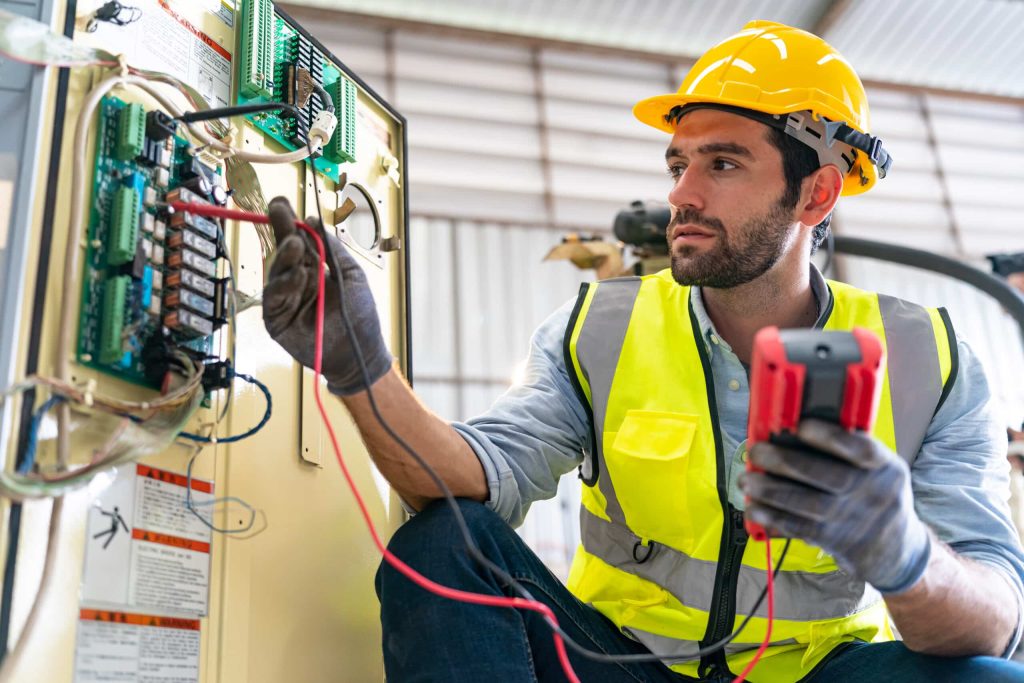
Risks associated with electrical work have always existed, but modern workplaces require even higher safety standards due to the quick advancement of technologies. Whether in construction, maintenance, utilities, or industrial settings, electrical hazards can arise unexpectedly and escalate quickly. This is why LVR training has become a vital requirement for anyone working with or near electrical systems. Combined with CPR skills, this specialised training prepares individuals to respond effectively during electrical emergencies, ensuring both personal safety and the safety of those around them.
Understanding The Importance Of Low-Voltage Rescue
Low voltage rescue is a specialised component designed for workers who may encounter electrical accidents involving voltages under 1000 volts. These incidents can cause electric shock, unconsciousness, burns, and even cardiac arrest. Low voltage may sound less dangerous than high voltage, but it can still be life-threatening without proper response.
An electrical emergency requires precise actions. Attempting to help someone in contact with electricity without the right training can easily endanger the rescuer. CPR LVR training teaches participants how to recognise electrical hazards, isolate power when possible, and use approved rescue equipment to approach and remove the injured person safely. This structured, step-by-step knowledge is essential for preventing additional injuries and maintaining a safe rescue environment.
Why CPR Matters In Electrical Emergencies?
Electric shock can disrupt the heart’s rhythm, leading to cardiac arrest within seconds. This is where CPR becomes critical. Once the victim is safely removed from the electrical source, immediate CPR may be necessary. In order to preserve blood flow to the brain and other critical organs and buy essential time until paramedics arrive, chest compressions should be performed promptly.
By completing a CPR and LVR course, workers learn both how to rescue someone from electrical danger and how to provide effective CPR during those vital early minutes. This combination greatly increases the injured person’s chance of survival.
A Required Skill For Many Industries
LVR and CPR certification are now widely required by many companies as part of their safety compliance requirements. Electricians, technical staff, maintenance teams, and on-site supervisors often cannot legally work on or near live systems without documented training. This ensures that all personnel understand the risks and can take immediate, correct action during emergencies.
Regular renewal of LVR training also helps maintain this essential knowledge. Electrical environments change, equipment upgrades occur, and safety protocols evolve. Keeping skills current ensures readiness and reduces the chance of outdated practices causing harm.
Improving Workplace Confidence And Safety Culture
One of the most valuable outcomes of CPR and LVR education is the confidence it builds. Workers who know how to respond during an electrical incident feel more secure in their roles, less anxious about risks, and capable of handling unexpected situations. This confidence contributes to a stronger, more responsible workplace safety culture.
When employees trust that their colleagues are trained, communication improves, teamwork becomes stronger, and emergency procedures operate more smoothly. A workplace with trained responders is better equipped to avoid panic, reduce confusion, and act efficiently when every second counts.
Reducing The Severity Of Electrical Incidents
Quick and correct action dramatically reduces the severity of injuries in electrical emergencies. Rescue attempts performed without proper knowledge can worsen the situation, leading to additional casualties. But with structured training, individuals learn the safest approach, correct rescue methods, and appropriate follow-up care.
CPR plays a critical role in stabilising the victim until advanced help arrives. Training with LVR stops more electrical injuries. Together, these skills create a powerful safety system that protects both workers and workplaces.
A Smart Investment For Career Growth
Beyond safety, completing a CPR and LVR course offers professional advantages. Many employers prioritise candidates with this certification, especially for technical roles. Having these qualifications demonstrates responsibility, preparedness, and commitment to maintaining high safety standards. It also opens opportunities for more specialised work and leadership in safety compliance.
A Modern Essential For Electrical Safety
In contemporary, technology-dependent industries characterised by rapid change, electrical safety necessitates proactive measures that extend beyond mere awareness. LVR training, combined with CPR, empowers workers to respond effectively, protect their colleagues, and maintain higher safety standards in challenging environments.
By learning both rescue and resuscitation techniques, workers gain the skills needed to manage real-world emergencies with confidence and precision. This makes LVR CPR training an essential part of modern electrical safety and a powerful asset for anyone working in the electrical field.