

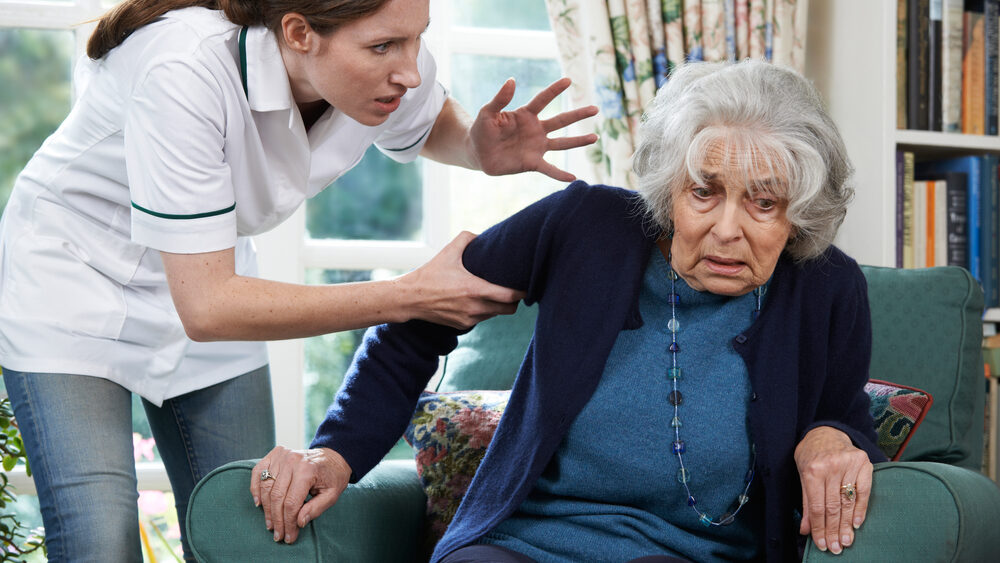
Families often choose nursing homes because an older loved one needs assistance with daily activities, medical care, or supervision that may be difficult to provide at home. When a family places that trust in a facility, they reasonably expect residents to receive appropriate attention and protection. Unfortunately, signs of neglect can sometimes be overlooked, especially when an elderly resident has difficulty communicating what is happening.
Nursing home negligence can take different forms. It may involve inadequate supervision, poor hygiene, medication mistakes, insufficient nutrition, unsafe conditions, or failures to respond to a resident’s medical needs. Recognizing warning signs early can help families investigate concerns and seek appropriate assistance.
One potential warning sign is an unexplained change in a resident’s physical condition. Unexpected weight loss, dehydration, repeated infections, untreated wounds, or unexplained injuries may warrant further investigation. These conditions can have legitimate medical explanations, but sudden or repeated problems should not simply be ignored.
Bedsores are another concern, particularly for residents who have limited mobility. People who spend extended periods in beds or wheelchairs may require regular repositioning and appropriate skin care. When those needs are overlooked, pressure injuries can develop and become increasingly serious.
Changes in hygiene can also raise questions. A resident who consistently appears unwashed, wears dirty clothing, or has other noticeable hygiene problems may not be receiving the level of personal assistance they require. Families should pay attention to patterns rather than assuming that one isolated incident necessarily indicates neglect.
Medication problems deserve particular attention. Nursing home residents may take multiple medications and often rely on staff to administer them correctly. Missed doses, incorrect medications, improper dosages, or unexplained changes in medication can potentially place residents at risk.
Behavioral changes may also provide important clues. A resident who suddenly becomes withdrawn, anxious, fearful, confused, or unusually agitated may be experiencing a health problem or another issue that needs attention. Family members should take significant changes seriously and ask healthcare professionals about possible causes.
Falls are another common concern in nursing facilities. Some falls are unavoidable, particularly among residents with mobility difficulties, but facilities generally need appropriate measures to reduce foreseeable risks. Poor supervision, unsafe flooring, inadequate assistance, or failure to follow an established care plan may contribute to preventable accidents.
Communication problems can make it difficult for families to understand what is happening. Staff should generally be able to explain a resident’s care, medications, treatment, and significant changes in condition. Repeated difficulty obtaining basic information may warrant additional questions.
A Nursing Home Lawyer Woodbury NJ may be able to help families understand their legal options when they believe a loved one has been harmed because of inadequate care. An lawyers in woodbury nj can review available records, examine the circumstances, and help determine whether the situation may involve negligence or another legal issue.
Families should document concerns whenever possible. Photographs of visible injuries or unsafe conditions, notes about conversations with staff, medical records, medication information, and details about changes in the resident’s condition can help establish a timeline.
It is also important to report urgent medical concerns immediately. If a resident has suffered a serious injury, appears severely ill, or faces an immediate safety risk, emergency medical assistance may be necessary. Legal concerns should not delay needed medical care.
Families can also ask questions about the resident’s care plan. A care plan may identify medical needs, mobility limitations, dietary requirements, medication schedules, and other services the resident is expected to receive. Understanding what care was supposed to be provided can make it easier to identify potential gaps.
Financial concerns can sometimes be another warning sign. Unexplained charges, missing personal property, or unusual financial activity should be taken seriously and investigated separately when appropriate. Elder abuse can include financial exploitation as well as physical or emotional harm.
It is important to remember that not every injury or health change proves negligence. Elderly residents may have complex medical conditions that naturally increase their risk of falls, infections, weight changes, or other problems. Determining whether a facility failed to provide appropriate care requires looking at the individual circumstances.
Families who notice several warning signs should not feel pressured to dismiss their concerns. Asking questions, requesting relevant records, speaking with healthcare professionals, and documenting what is observed can help clarify the situation.
Protecting an elderly family member requires attention to both obvious and subtle changes. By staying involved in a loved one’s care and responding promptly when something appears unusual, families can take an active role in protecting the resident’s health, safety, and dignity.