

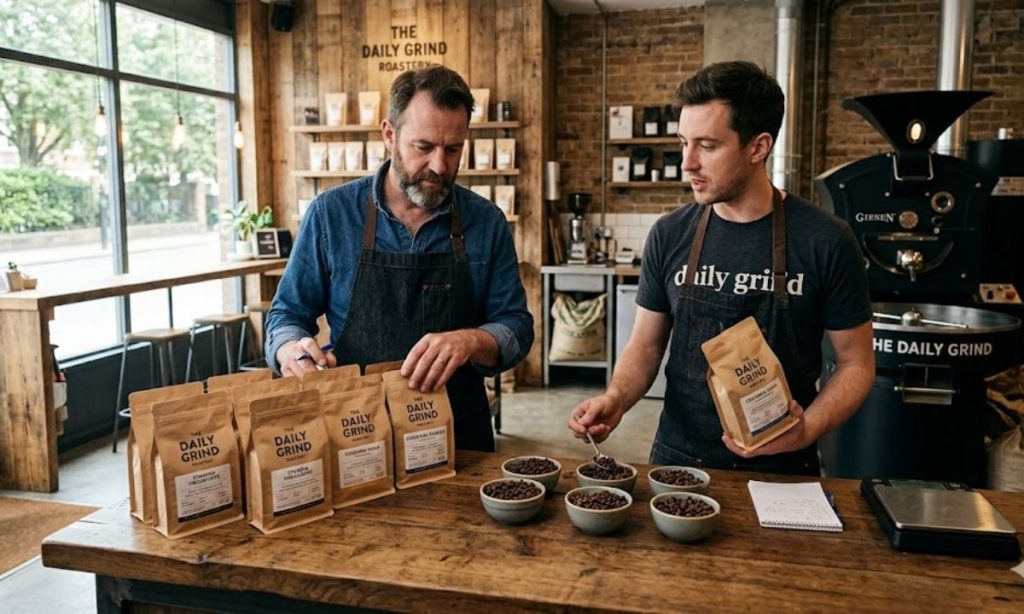
Your coffee can make or break your business. Customers remember a great cup. They remember a bad one even more. Whether you run a busy café, a hotel, a restaurant, or an office, the quality of the beans you serve shapes what people think of you. It is one of the first things they notice — and one of the last things they forget.
But choosing the right wholesale coffee beans is not as simple as picking a bag off a shelf. There are roast profiles, origin stories, certifications, supplier relationships, and pricing structures to think about. Get it right and you have a loyal customer base and a product you are proud of. Get it wrong and you will be switching suppliers every few months.
This guide walks you through everything you need to know before you commit to a supplier — so you can make a smart, informed decision that supports your business long-term.
Why the Right Wholesale Coffee Beans Matter
It Affects the Taste in Every Single Cup
Everything starts at the bean level. The origin, the variety, the processing method, and how fresh the beans are — all of this shows up in the cup. High-grade beans deliver rich aroma, balanced acidity, and smooth flavour. Low-grade beans produce flat, bitter, or sour coffee that no amount of barista skill can fix.
In Australia, coffee culture is strong. Customers know good coffee. If what you are serving does not meet their expectations, they will not tell you — they will just stop coming back.
It Shapes Your Brand’s Reputation
Think about how many times you have heard someone say, “they have great coffee here.” That kind of word-of-mouth is priceless. Coffee is often one of the first things people associate with a place. It builds loyalty, drives return visits, and sets the tone for the overall experience. Choosing the right wholesale coffee beans is, in many ways, choosing your brand identity.
Know Your Customer Before You Choose Your Beans
Before you start comparing suppliers, take a step back and think about who you are serving. Your customer’s taste profile should drive your bean selection.
Espresso-Based vs. Filter Coffee
If your customers mostly drink flat whites, lattes, and cappuccinos, you need beans that work well as espresso. These are typically darker roasts with bold, chocolatey, or caramel-like flavours that cut through milk. If you also offer pour-overs or cold brew, you may want lighter single origin beans with more fruity or floral notes.
Matching Bean Profiles to Your Menu
A hotel serving breakfast guests has different needs than a specialty café in the inner city. A corporate office wants convenience and consistency. A restaurant may want a signature blend that complements its food. Know your setting, know your customer, and then look for beans that match that picture.
What to Look for in a Wholesale Coffee Supplier
Finding a great supplier is just as important as finding the right bean. When sourcing wholesale coffee beans Australia, the relationship you build with your supplier matters just as much as the product itself. A good supplier does not just drop beans at your door. They act as a genuine partner in your business’s growth.
Bean Quality and Freshness
Always ask when beans are roasted and how long it takes to reach you. Freshly roasted coffee tastes better — full stop. Look for suppliers who roast in small batches and can give you a clear timeline from roast to delivery. Beans that sit in a warehouse for weeks before they reach you will already be past their peak.
Roast Profiles and Variety
A good supplier will offer a range of roast profiles — light, medium, and dark — so you can find the one that suits your equipment and your customers best. They should also be able to explain the flavour notes of each option. If a supplier cannot talk knowledgeably about their beans, that is a warning sign.
Single Origin vs. Blends
Single origin beans come from one specific farm or region — think Ethiopia, Colombia, or Guatemala. They often carry distinct, complex flavour profiles. Blends combine beans from multiple origins to create a balanced, consistent flavour. For most hospitality businesses, a well-crafted blend is the safer choice because it offers consistency batch to batch. Single origins are a great addition if you want to offer a specialty option on the menu.
Consistency and Reliable Supply Chain
Imagine it is a busy Saturday morning. There is a queue out the door, your best barista is on the machine, and you just ran out of beans. It is not just a headache. It is lost revenue, unhappy customers, and a story they will tell their friends.
Delivery Reliability
Ask potential suppliers directly: what happens if I run critically low on a Friday evening? The answer will tell you everything about how dependable they really are. A reliable coffee supplier will have clear delivery schedules, low lead times, and a plan for urgent orders. Logistics should never be an afterthought.
Minimum Order Quantities
Different suppliers set different minimum order thresholds. Some require 12kg per shipment, others are more flexible. Make sure the minimums work with your business size and storage capacity. If you are just starting out, a supplier with lower minimums gives you room to grow without locking up cash in excess stock.
Pricing, Contracts, and Value
Do Not Choose on Price Alone
Going with the cheapest option is one of the most common mistakes in the industry. Low prices often come with trade-offs — inconsistent quality, poor customer service, or unreliable delivery. In the long run, saving a few dollars per kilo can cost you far more in lost customers and reputational damage.
What Is Included Beyond the Beans
Some suppliers offer far more than just beans. Think about barista training, equipment access or rental, marketing support, and business development advice. These extras can add real value, especially if you are new to the industry. When comparing pricing, always consider the full package — not just the cost per kilogram.
Also ask about payment terms. Net 30 billing or instalment options can help with cash flow, particularly for smaller businesses. A supplier willing to be flexible on payment is a supplier who wants a long-term relationship.
Ethical Sourcing and Sustainability
Fairtrade and Organic Certifications
Certifications like Fairtrade, Rainforest Alliance, and organic accreditation tell you something important about where the beans come from and how the farmers were treated. These are not just marketing badges. They represent real standards around pay, working conditions, and environmental practices. When your supplier can show you these certifications, it gives you something credible to share with your own customers.
Why Australian Consumers Care
Australian coffee drinkers are increasingly conscious about sustainability. They want to know their morning cup did not come at someone else’s expense. Aligning your business with an ethically sourced product is not just the right thing to do — it is also good for your brand. It gives your customers one more reason to choose you over the competitor down the street.
Ask for Samples Before You Commit
Never sign a contract or place a large order without tasting the coffee first. Most reputable suppliers will send sample packs so you can assess the beans on your own equipment, with your own water, and in your own workflow. This step is non-negotiable. What tastes great in a controlled tasting room might behave differently on your espresso machine during a busy morning rush.
Get your barista involved in the tasting too. They will be the ones pulling shots every day. Their input matters and they will feel more ownership over a product they helped choose.
Build a Long-Term Partnership, Not Just a Transaction
The best wholesale coffee supplier is not just a vendor — they are a partner. A supplier who checks in regularly, responds quickly when issues arise, shares updates on new blends and seasonal releases, and offers ongoing training is worth far more than one who simply processes your order and moves on.
Strong partnerships often bring benefits over time — better pricing as your volume grows, priority service during stock crunches, and early access to limited-release or micro-lot coffees. These are the kinds of advantages that go to businesses that invest in the relationship, not just the transaction.
Where possible, visit the roasting facility. See how the beans are handled, stored, and roasted. A supplier who is open and transparent about their operations is one you can trust. That transparency is the foundation of a relationship built to last.
Final Thoughts
Choosing the right wholesale coffee beans is one of the most important decisions your business will make. It touches your product quality, your brand, your customer loyalty, and your bottom line. The process takes time and research — but the payoff is worth it.
Start by understanding your customer. Then look at bean quality, roast profiles, supplier reliability, ethical sourcing, and the full value of the partnership on offer. Request samples, ask hard questions, and look beyond the price tag. The right supplier will not just sell you coffee — they will help you serve it brilliantly, every single day.