

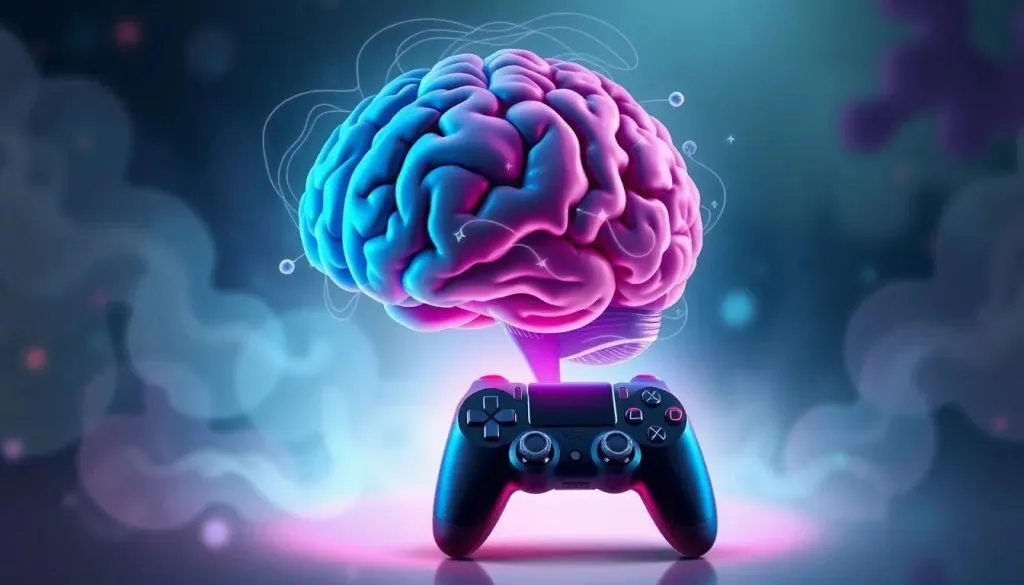
Gaming has become one of the most popular forms of entertainment in the world, and its impact on mental health is a topic that continues to gain attention. While some studies highlight the potential risks of excessive gaming, others reveal powerful mental, emotional, and cognitive benefits. Understanding both sides helps players build a balanced, healthy gaming lifestyle.
Let’s break down the positive effects, potential challenges, and best practices for maintaining good mental health while gaming.
1. Psychological Benefits of Gaming
✔ Stress Relief and Relaxation
Many people turn to games as an escape from stress. Engaging gameplay, calming visuals, or even fast-paced action can help reduce daily anxiety.
✔ Cognitive Skill Development
Games improve decision-making, problem-solving, hand–eye coordination, and memory retention. Strategy games, puzzles, and competitive titles stimulate critical thinking.
✔ Social Connection
Multiplayer games create strong online communities. Bonding with friends, teaming up with strangers, and communicating during matches all help combat loneliness.
Platforms like datukqq show how gaming communities bring people together, offering enjoyable shared experiences.
2. Emotional Benefits
✔ Sense of Achievement
Leveling up, completing missions, or improving skills gives players a confidence boost and a sense of progress.
✔ Mood Enhancement
Interactive entertainment releases dopamine, the “feel-good” neurotransmitter. This helps elevate mood and improve motivation.
✔ Creative Expression
Open-world, building, and role-playing games allow players to express creativity and explore new identities.
3. Potential Risks of Excessive Gaming
While gaming has several benefits, too much of it can lead to challenges.
⚠ Gaming Addiction
Compulsive gaming can interfere with daily activities, sleep, work, and relationships.
⚠ Social Withdrawal
Spending too much time online may reduce real-world interactions.
⚠ Increased Stress or Burnout
Highly competitive environments can sometimes increase frustration, especially when players feel pressured to win.
⚠ Physical Health Issues
Poor posture, eye strain, and lack of movement are common issues linked to long gaming sessions.
Communities like pkv games show how competitive settings may require balanced habits to prevent burnout.
4. Best Practices for Healthy Gaming
To enjoy gaming without harming mental health, consider these simple habits:
✔ Set Time Limits
Use timers or scheduled breaks to avoid long, uninterrupted sessions.
✔ Practice the 20-20-20 Rule
Every 20 minutes, look at something 20 feet away for 20 seconds to reduce eye strain.
✔ Stay Physically Active
Stretch, walk, or do quick exercises between matches to improve blood flow.
✔ Maintain Social Balance
Play with friends and avoid isolating yourself solely in online worlds.
✔ Choose Games That Match Your Mood
Calming games for relaxing days, competitive games when you’re feeling energized.
✔ Be Mindful of Sleep
Avoid intense gaming right before bedtime to ensure deep, restful sleep.
5. When Gaming Supports Mental Wellness
Sometimes, gaming can even be therapeutic. Many people use games to cope with:
- Loneliness
- Mild depression
- Anxiety
- Stressful situations
Story-rich games, cozy life simulators, and puzzle titles are particularly effective at lifting mood and offering emotional comfort.
Conclusion
Gaming and mental health are deeply connected. When enjoyed responsibly, games offer emotional, social, and cognitive benefits that can support overall wellbeing. However, like any activity, balance is key. By understanding both the benefits and risks, players can create a healthy gaming routine that boosts happiness, reduces stress, and strengthens mental resilience.