

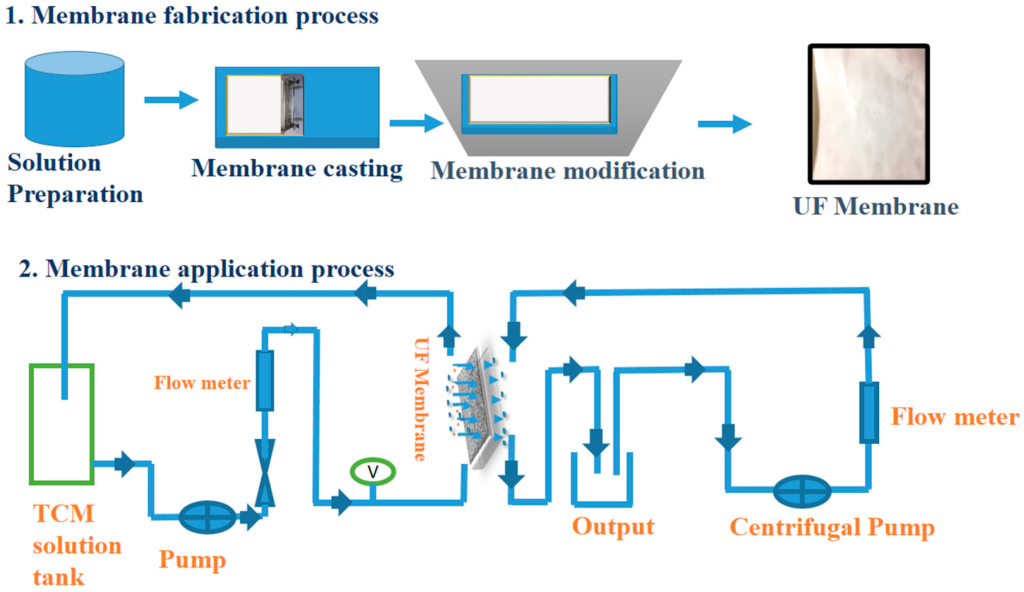
The world of filtration is evolving quickly as industries demand higher efficiency, faster processing, and better reliability. One technology that continues to advance is the hydrophilic membrane, known for its ability to wet easily and handle aqueous solutions with minimal effort. Its versatility has made it a critical tool across pharmaceutical production, biotech research, environmental testing, and laboratory workflows. As global demand for cleaner processes and higher-purity outputs grows, innovations in hydrophilic membrane design are transforming how filtration systems operate.
Advancements in Material Engineering
One of the most notable trends today is the development of advanced polymer materials. Traditional options like PES and PVDF remain widely used, but researchers are now creating modified blends that enhance performance without sacrificing compatibility. These next-generation materials improve flow rates, reduce extractables, and increase chemical resistance. They also allow membranes to maintain structural strength under higher pressures, making them suitable for both small-scale lab tests and full production environments. As a result, the hydrophilic membrane is now more reliable in challenging applications such as sterile filtration and sensitive protein handling.
Improved Wetting and Faster Processing
Speed is a major priority in many laboratory and manufacturing settings. Modern hydrophilic membrane technology has focused on improving natural wettability, which reduces pre-wetting time and eliminates delays. Some membranes now come pre-wet or treated to ensure instant readiness when they contact aqueous solutions. This feature is especially useful in high-throughput labs where every second counts. Faster wetting leads to more consistent performance, fewer workflow disruptions, and greater overall productivity. It also reduces operator error since there is no need for additional wetting steps.
Integration into Single-Use Systems
As single-use technology becomes standard in biotech and pharmaceuticals, hydrophilic membrane filters are being redesigned to support this shift. Manufacturers are integrating membranes into scalable systems that range from small capsule filters for bench testing to large-format cartridges used in production. These disposable solutions reduce contamination risk, minimize cleaning time, and support flexible batch sizes. This transition aligns with modern manufacturing priorities, where adaptability and contamination control are essential.
Enhanced Protein Recovery and Low Binding Designs
Many industries require filtration that preserves the integrity of delicate proteins and biomolecules. To meet this need, the latest hydrophilic membrane options include ultra-low binding surfaces that prevent unnecessary absorption. This trend is particularly important in applications such as vaccine development, antibody purification, and analytical testing. Low-binding membranes help ensure accurate sample recovery, improve yield, and support highly sensitive downstream processes.
AI-Driven Quality Control and Predictive Monitoring
Another emerging trend involves the integration of digital tools and analytics. Some manufacturers are adopting AI-based systems to monitor membrane performance during production. These tools predict clogging, detect inconsistencies, and optimize process parameters in real time. This innovation enhances both the reliability and lifespan of a hydrophilic membrane, helping users maintain consistent filtration standards. Predictive maintenance also reduces operational downtime and ensures more stable workflows.
Sustainability and Eco-Focused Membrane Development
Environmental awareness has become a priority across all industries, and filtration technology is no exception. Researchers are exploring biodegradable polymers, greener manufacturing processes, and membranes that require less energy during production. Sustainability efforts also involve designing membranes with improved durability, reducing the need for frequent replacements. These advancements contribute to a more responsible and cost-effective filtration strategy.
Conclusion: A Future of Smarter, Faster, and Cleaner Filtration
The hydrophilic membrane continues to evolve as industries seek filtration solutions that deliver precision and efficiency. From advanced materials to AI-driven monitoring and single-use integration, the trends shaping this technology reflect a shift toward smarter and more sustainable processes. As laboratories and production facilities adopt these innovations, they gain access to filtration systems that enhance productivity, safeguard product integrity, and support future-ready operations.