

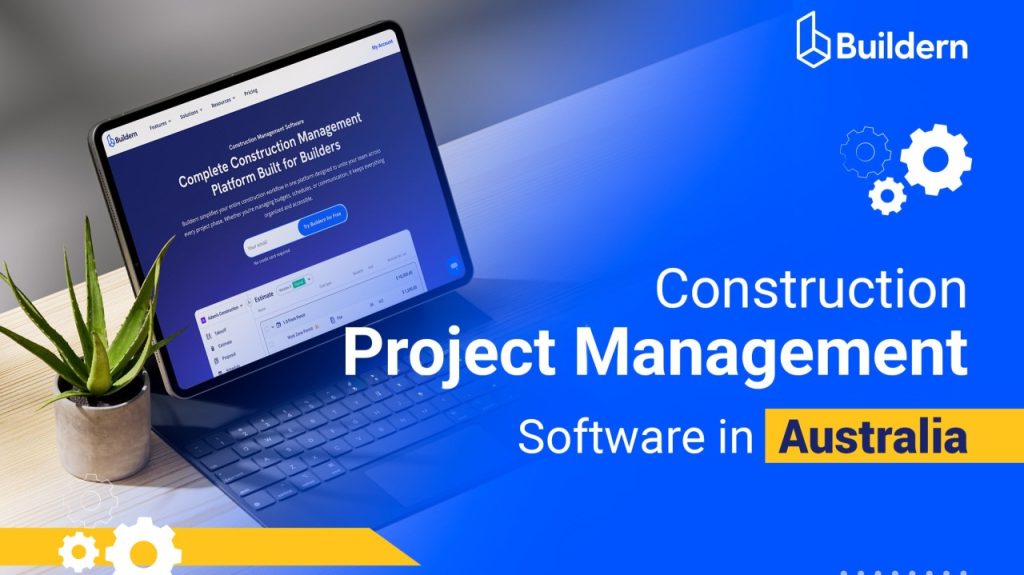
Construction financial management software is becoming essential for modern construction companies. It helps teams track costs, manage budgets, process invoices, and make smarter financial decisions. If you’re in construction — whether as a contractor, project manager, accountant, or business owner — using the right financial software can save time, reduce errors, and increase profits.
This comprehensive article explains what construction financial management software is, how it works, key features, benefits, challenges, and real‑world application. You’ll also find FAQs and a conclusion to wrap it all up.
What Is Construction Financial Management Software?
Construction financial management software is a tool designed specifically to handle the money side of construction projects and businesses. Unlike standard accounting tools, this software includes features made for the construction industry — including job costing, progress billing, equipment cost tracking, and compliance reporting.
This software helps you:
- Track project finances accurately
- Plan and forecast budgets
- Streamline payroll and invoicing
- Integrate accounting with project management
In short, it connects numbers with actual construction work so you always know where your money is going.
Why Construction Financial Management Software Is Important
Managing finances in construction is more complex than in many industries. Typical challenges include:
- Many cost categories (materials, labor, equipment)
- Changing project scopes
- Multiple subcontractors and suppliers
- Compliance requirements
- Delay risks and unforeseen costs
Using construction financial management software helps teams stay organized and respond quickly when budgets shift. It also reduces mistakes that can cost thousands or even millions over time.
Core Features of Construction Financial Management Software
Construction financial management platforms often include the following features:
Job Costing and Budget Tracking
One of the most important functions is job costing — analyzing actual costs compared to budgeted costs. This helps teams see if a project is:
- On budget
- Running over budget
- Under budget
Detailed reports show labor, materials, equipment, and subcontractor costs.
Invoicing and Billing
The software allows you to create and send invoices, manage retainage, handle progress billing, and track payments. It speeds up cash flow and reduces errors.
Payroll Integration
Construction payroll is complicated due to overtime, union rules, multiple pay rates, and different job classifications. Financial software automates payroll and links it to job cost data.
Financial Reporting and Dashboards
Custom dashboards let managers quickly view key performance indicators such as:
- Cash flow
- Accounts payable / receivable
- Profit margins
- Budget vs. actual
Reports can be exported for presentations or audits.
Budget Forecasting
Construction financial management tools often include forecasting features that help predict future spending based on current data. This helps companies prepare for possible risks or changes.
Compliance and Tax Management
Construction projects must follow local, federal, and industry financial regulations. Software helps maintain records, prepare compliance reports, and manage tax obligations.
How the Software Improves Construction Business Operations
Construction financial management software improves operations in several ways:
Better Financial Visibility
Rather than relying on spreadsheets and manual updates, teams see real‑time data on money flows.
Reduced Errors
Automation lowers human mistakes in calculations, billing, and payroll.
Faster Decisions
With faster reporting and forecasting, project and business leaders can make informed choices more quickly.
Improved Cash Flow
Timely invoicing and payment tracking help companies get paid faster.
Simplified Collaboration
Different departments — accounting, project management, procurement, field teams — all work from the same financial data.
Real‑World Example: How It Works
Imagine a construction company working on a large building project. Here’s how construction financial management software might be used:
- Set Budget: The project team enters the estimated costs for materials, labor, and equipment.
- Track Costs: As bills and time sheets are submitted, costs are automatically recorded under each category.
- Monitor Budget vs Actual: Managers view dashboards to see if costs are matching projections.
- Process Invoices: Invoices from subcontractors are entered and approved electronically.
- Payroll is Calculated: Employees’ time is automatically linked to specific jobs and correct pay rates.
- Generate Reports: Weekly reports show cash flow, budget health, and accounts status.
By using software instead of spreadsheets, the team saves hours of work and reduces costly errors.
Choosing the Right Construction Financial Management Software
When picking a platform for your business, evaluate the following:
Ease of Use
Software should be accessible to accountants, project managers, and field staff.
Integration With Other Tools
Look for systems that connect with project management tools, estimating tools, and mobile apps.
Scalability
Your software should grow with your company and handle multiple projects.
Customer Support
Good training and support reduce onboarding time and improve adoption.
Reporting Capabilities
Ensure the system has flexible reporting tools for financial and compliance needs.
Challenges of Using Financial Software in Construction
While the benefits are clear, some challenges might include:
- Training your team: Users may need time to learn the system.
- Data migration: Moving from spreadsheets to software can take effort.
- Cost: Some advanced systems can be expensive for smaller companies.
- Customization needs: Not every business fits one system perfectly, so customization may be needed.
However, these challenges are usually outweighed by long‑term gains in efficiency and accuracy.
Frequently Asked Questions (FAQs)
Q1. Is construction financial management software the same as general accounting software?
A: No. While general accounting tools handle basic bookkeeping, construction financial software includes features specific to the industry, such as job costing, progress billing, payroll with labor classifications, and project budget tracking.
Q2. Can small construction businesses benefit from this software?
A: Yes. Even small companies can improve accuracy, save time, and streamline billing and payroll by using construction financial software.
Q3. Does the software support mobile access?
A: Many modern systems include mobile apps or web access so teams can update costs and invoices from the job site.
Q4. Can it integrate with other systems?
A: Yes. Good platforms integrate with project management, estimating, CRM (customer relationship management), and payroll systems.
Q5. How does construction financial software improve cash flow?
A: By speeding up invoicing, tracking payments in real time, and reducing errors in billing and collections, companies can get paid faster.
Conclusion
Construction financial management software is a powerful tool that helps construction companies control budgets, improve accuracy, and make smarter business decisions. It brings financial functions like job costing, invoicing, payroll, forecasting, and reporting into one place — eliminating messy spreadsheets and disconnected systems.
Whether you run a small contracting business or manage large projects, investing in construction financial management software can increase visibility, reduce errors, and support long‑term growth. By choosing the right platform and training your team, you’ll set up your company for financial success in 2026 and beyond.