

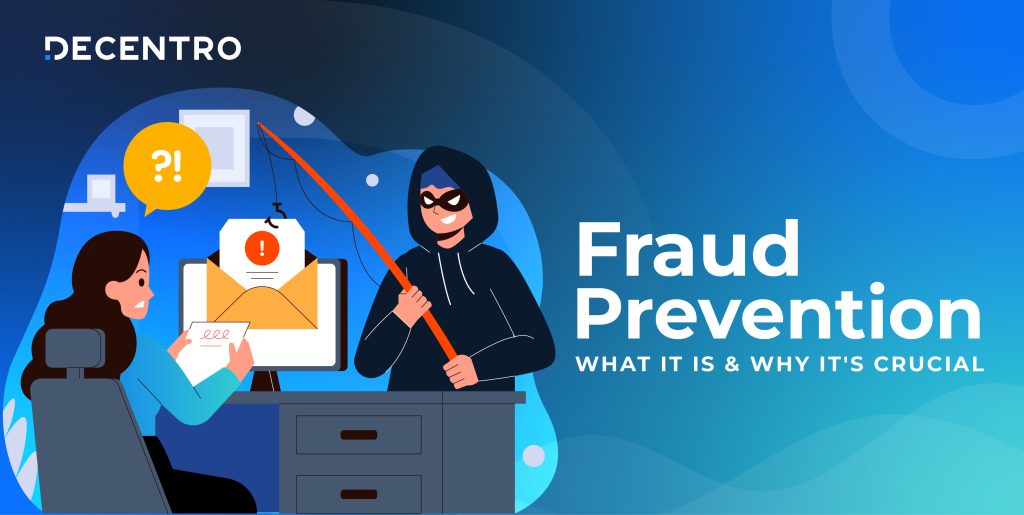
The continued discussion around “Castro CC” and similar cybercrime-related terms reflects a larger challenge facing the financial sector: payment fraud continues to evolve, and financial institutions must constantly improve the systems designed to prevent it.
For banks, payment processors, fintech companies, and card networks Castrocvv, fraud prevention is no longer simply a cost of doing business. It is a core part of protecting customers, maintaining trust, meeting regulatory expectations, and preserving the security of the digital financial ecosystem.
The Threat Landscape Keeps Changing
Financial fraud has changed significantly as online payments have become more common.
Criminal activity may involve:
- Stolen payment credentials
- Account takeovers
- Phishing campaigns
- Social engineering
- Synthetic identities
- Compromised online accounts
- Fraudulent applications
- Automated transaction abuse
The challenge for financial institutions is that fraudsters continually adapt their methods. A security system that works well against one type of attack may need to be updated as new techniques emerge.
This is one reason institutions continue investing in fraud prevention year after year.
The Cost of Fraud Extends Beyond Individual Transactions
When unauthorized transactions occur, the financial impact can extend far beyond the value of a single payment.
Financial institutions may face:
- Direct financial losses
- Investigation expenses
- Customer reimbursement costs
- Operational disruption
- Regulatory scrutiny
- Reputation damage
For customers, the consequences can include account disruption, identity theft, stress, and the time required to recover compromised accounts.
Strong fraud prevention can therefore reduce both financial and operational costs.
Real-Time Detection Has Become Essential
Modern payment systems operate at incredible speed. Transactions can be authorized within seconds, meaning fraud detection must often happen just as quickly.
Financial institutions increasingly use real-time systems that analyze transaction characteristics, account behavior, device signals, and other risk indicators.
A transaction may receive additional scrutiny when it appears inconsistent with normal activity.
Examples can include:
- Unusual spending patterns
- Unexpected account behavior
- Suspicious device activity
- Multiple rapid transactions
- Unusual geographic signals
The goal is to identify potential fraud while minimizing unnecessary disruption for legitimate customers.
The Role of Artificial Intelligence and Machine Learning
Artificial intelligence and machine learning are becoming increasingly important in fraud prevention.
These technologies can help identify patterns across large volumes of transactions. Instead of relying only on fixed rules, modern systems can analyze behavior and identify anomalies that may indicate risk.
However, technology is not a complete solution.
Effective fraud prevention often combines:
- Automated analytics
- Human review
- Customer verification
- Threat intelligence
- Transaction monitoring
- Strong authentication
The most effective systems use technology to support better decisions rather than relying on a single automated signal.
Customer Experience Matters
Financial institutions face a difficult balance.
If fraud controls are too weak, customers may suffer from unauthorized transactions. If controls are too aggressive, legitimate transactions may be declined or accounts may be unnecessarily restricted.
This is why modern fraud prevention increasingly focuses on risk-based decision-making.
A low-risk transaction may proceed smoothly, while a transaction with multiple warning signs may receive additional verification.
The goal is to improve security without making everyday financial activity unnecessarily difficult.
Strong Authentication Is a Major Defense
Multi-factor authentication and other identity-verification methods play an important role in protecting accounts.
Passwords alone can be compromised through phishing, credential reuse, or data breaches. Additional authentication factors make unauthorized access more difficult.
Financial institutions may also use:
- Device recognition
- Biometric verification
- One-time codes
- Behavioral analysis
- Risk-based authentication
These layers help create a more complete picture of whether a transaction or login is legitimate.
Payment Tokenization Reduces Exposure
Tokenization is another important security technology.
Instead of repeatedly exposing sensitive payment information, tokenization can replace certain details with a digital token designed for a specific use or environment.
This can reduce the value of stolen information and limit the potential impact of a compromise.
As digital wallets and online payments continue to expand, tokenization is likely to remain an important part of payment security.
Fraud Prevention Is Also About Consumer Trust
Financial institutions compete heavily on trust.
Customers expect their money and personal information to be protected. A major fraud incident can damage confidence in a financial brand even when the institution responds quickly.
Investing in fraud prevention helps organizations demonstrate that security is a long-term priority.
This includes not only technical systems, but also:
- Customer education
- Clear fraud-reporting processes
- Rapid response teams
- Account recovery support
- Transparent communication
A strong security program must protect both transactions and the customer relationship.
The Importance of Information Sharing
Fraud rarely affects only one organization. Criminal activity can move across banks, payment processors, merchants, and digital platforms.
Information sharing can help organizations identify patterns more quickly.
When appropriate and legally permitted, institutions may share intelligence about emerging fraud trends, attack indicators, and suspicious behavior.
Collaboration can improve the overall resilience of the financial system.
The Consumer’s Role in Fraud Prevention
Technology cannot prevent every fraud attempt. Customers remain an important part of the security process.
Consumers can reduce risk by:
- Using strong, unique passwords
- Enabling multi-factor authentication
- Monitoring financial accounts
- Avoiding suspicious links
- Never sharing verification codes
- Keeping devices updated
- Reporting suspicious activity quickly
Financial institutions and customers must work together to reduce fraud.
Why Investment Will Continue
The continued discussion of cybercrime-related markets such as those associated with the term “Castro CC” highlights a broader reality: payment fraud is not a static threat.
As criminals adopt new tools and methods, financial institutions must continue improving:
- Detection systems
- Authentication methods
- Threat intelligence
- Transaction monitoring
- Customer protection
- Incident response
Fraud prevention is therefore an ongoing investment rather than a one-time project.
Conclusion
Financial institutions continue investing in fraud prevention because the threat landscape continues to evolve.
The risks associated with payment fraud extend beyond individual transactions. They can affect customers, businesses, financial institutions, and trust in the broader digital economy.
Advanced analytics, artificial intelligence, authentication technologies, tokenization, customer education, and collaboration all play important roles in reducing risk.
The future of financial security will depend on continuous improvement. As digital payments become faster and more convenient, fraud prevention must become equally adaptive.
The goal is not simply to react to the latest cybercrime trend. It is to build financial systems that can identify suspicious activity earlier, protect legitimate customers, and respond quickly when threats emerge.