

In today’s digital economy, credit cards have become one of the most widely used payment methods worldwide. With the growth of e-commerce, online banking, and digital subscriptions, millions of transactions bclub happen every second. However, this convenience also creates opportunities for cybercriminals. Searches like “Bclub.tk Access Top-Tier Cards from BClub the Ultimate CC Hub Online” often point toward underground platforms involved in trading stolen credit card data.
Understanding how these platforms operate and how to protect yourself is essential in an era where online fraud is increasing. This article explores what so-called “CC hubs” are, how they pose risks to individuals and businesses, and what steps you can take to safeguard your financial information.
What Is a CC Hub?
The term “CC” typically stands for credit card. A “CC hub” is often used to describe an online marketplace where stolen credit card information is bought and sold. These platforms operate in hidden parts of the internet and are frequently associated with illegal activities such as data breaches, phishing schemes, and identity theft.
Websites promoted under names like Bclub.tk claim to offer “top-tier cards” or “premium access.” In reality, these terms often refer to stolen financial information that has been harvested through hacking, malware, skimming devices, or social engineering attacks.
Engaging with such platforms is illegal and can lead to severe legal consequences. More importantly, they cause serious harm to victims whose financial data is misused.
How Stolen Card Data Is Obtained
To understand the danger behind these marketplaces, it helps to know how criminals obtain credit card details in the first place.
1. Phishing Attacks
Phishing remains one of the most common tactics. Fraudsters send emails or messages pretending to be banks, delivery services, or trusted brands. Victims are tricked into entering their card details on fake websites.
2. Data Breaches
Hackers target businesses and financial institutions, stealing large databases of customer information. Once compromised, these details are often sold on underground forums.
3. Malware and Keyloggers
Malicious software can be installed on a victim’s device without their knowledge. This malware records keystrokes, capturing credit card numbers and passwords.
4. Card Skimming
Physical skimming devices placed on ATMs or point-of-sale machines can capture card information when customers make transactions.
The stolen data collected through these methods fuels underground marketplaces that promote themselves as reliable or “top-tier” hubs.
The Risks of Engaging With Illegal Card Marketplaces
Even visiting or attempting to use such platforms can expose individuals to serious risks.
Legal Consequences
Buying or selling stolen credit card data is a criminal offense in most countries. Law enforcement agencies worldwide actively track and shut down these operations. Individuals caught participating can face heavy fines, criminal charges, and imprisonment.
Financial Loss
Ironically, many of these illegal platforms are scams themselves. Buyers frequently lose money to fraudulent sellers. There is no protection, refund policy, or customer support in criminal marketplaces.
Identity Theft
Interacting with underground websites can expose your own data to criminals. You may become a victim of the same type of fraud you were attempting to exploit.
Malware Exposure
Many of these sites contain malicious code. Simply accessing them can result in malware being installed on your device.
The Real Cost to Victims
Behind every stolen card is a real person. Victims of credit card fraud often experience:
- Unauthorized charges
- Frozen accounts
- Time-consuming disputes with banks
- Damaged credit scores
- Emotional stress and anxiety
Businesses also suffer. Companies face chargebacks, investigation costs, reputational damage, and loss of customer trust. The ripple effect of card fraud impacts the entire financial ecosystem.
How to Protect Yourself From Credit Card Fraud
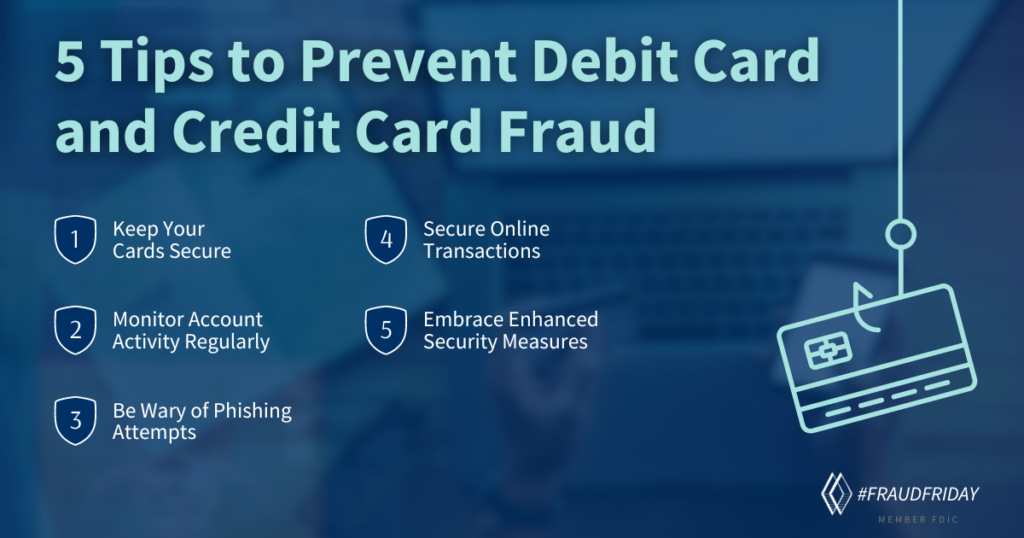
Rather than engaging with risky platforms, focus on strengthening your own cybersecurity practices. Here are essential steps to stay safe online.
1. Monitor Your Bank Statements Regularly
Check your transactions frequently. Report any suspicious activity to your bank immediately. Early detection limits financial damage.
2. Use Strong, Unique Passwords
Avoid reusing passwords across multiple sites. Consider using a reputable password manager to generate and store complex credentials.
3. Enable Two-Factor Authentication
Two-factor authentication adds an extra layer of protection. Even if someone obtains your password, they cannot access your account without the second verification step.
4. Be Cautious With Emails and Links
Never click on suspicious links or download unexpected attachments. Verify the sender’s identity before entering any personal information.
5. Shop Only on Secure Websites
Ensure the website uses HTTPS encryption. Look for a padlock icon in the browser address bar before entering payment details.
6. Use Virtual or Disposable Cards
Some banks offer virtual card numbers for online shopping. These temporary numbers limit exposure if a website is compromised.
7. Keep Your Software Updated
Install updates for your operating system, browser, and antivirus software. Security patches protect against known vulnerabilities.
The Role of Financial Institutions
Banks and payment processors invest heavily in fraud detection systems. Artificial intelligence and machine bclub.tk learning help detect unusual transaction patterns in real time. If suspicious activity is detected, transactions can be blocked instantly.
Chip-and-PIN technology, tokenization, and biometric authentication have significantly improved payment security. However, no system is entirely immune to sophisticated attacks. That’s why consumer awareness remains crucial.
Law Enforcement and Cybercrime Crackdowns
Authorities around the world actively investigate and dismantle illegal carding operations. International cooperation between cybersecurity agencies has led to the shutdown of many underground platforms.
However, when one marketplace is taken down, others may appear. This ongoing battle highlights the importance of prevention and public education.
Building a Safer Digital Future
The demand for stolen credit card data exists because cybercrime can be profitable. Reducing that demand requires awareness, responsibility, and ethical online behavior.
Instead of searching for ways to access questionable platforms, individuals should focus on building legitimate skills in cybersecurity, ethical hacking, or digital finance. These fields offer rewarding and legal career opportunities.
Educational resources, certifications, and cybersecurity training programs are widely available. Learning how to protect systems rather than exploit them contributes to a safer digital world.
Final Thoughts
Search phrases like “Bclub.tk Access Top-Tier Cards from BClub the Ultimate CC Hub Online” may appear intriguing to some users. However, they are often associated with illegal marketplaces that trade stolen financial information. Engaging with such platforms carries severe legal, financial, and personal risks.
The smarter and safer path is to understand how credit card fraud works and take proactive steps to protect yourself. By practicing strong cybersecurity habits, staying informed, and supporting ethical online behavior, you help reduce the impact of digital crime.
The internet offers countless opportunities for growth, business, and innovation. Choosing lawful and responsible actions ensures that you benefit from the digital economy without risking your freedom, finances, or reputation.