

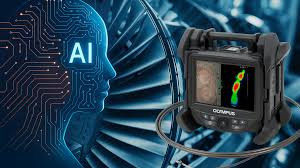
In the world of aviation, precision and reliability are non-negotiable. Aircraft engines operate under extreme conditions, and even the smallest defect can have major consequences. That’s where advanced borescope technology comes into play. Modern aviation maintenance has evolved from basic visual checks to sophisticated internal inspections powered by digital imaging and flexible probe systems. These innovations help engineers detect potential issues before they become costly problems, making borescopes an indispensable tool for aircraft safety and performance.
The Evolution of Aircraft Inspection
Traditional inspection methods relied on manual tools and partial disassembly of engine components to check for cracks, corrosion, or foreign object damage. This process was not only time-consuming but also expensive. The introduction of borescopes transformed this routine. A borescope allows maintenance technicians to inspect internal parts without dismantling the engine, saving hours of labor and reducing downtime.
Over time, borescopes have become smaller, more flexible, and far more advanced. High-definition cameras, LED illumination, and wireless connectivity have revolutionized how aviation professionals conduct maintenance checks. Today, technicians can capture real-time video and detailed still images to analyze engine health and share reports instantly across maintenance teams.
How Advanced Borescope Technology Works
A borescope consists of a flexible or rigid tube with an optical system at the tip that transmits images to a connected display. In aviation, these tools are used to examine hard-to-reach areas inside engines, turbines, and airframes. Modern versions come with articulating tips, allowing technicians to navigate complex engine pathways with precision.
The latest generation of digital borescopes also includes measurement capabilities, enabling users to assess the size and depth of cracks or wear directly on-screen. Some systems incorporate AI-assisted analysis to identify irregularities automatically, further improving diagnostic accuracy. These advancements make it easier than ever to perform predictive maintenance — a practice that ensures potential issues are addressed long before they cause mechanical failure.
The Benefits of Aviation Maintenance
The aviation industry depends on regular, detailed inspections to comply with safety regulations and maintain flight readiness. Advanced borescopes streamline this process, offering several key benefits:
- Reduced Downtime: Aircraft can return to service faster since engine disassembly is rarely required.
- Cost Savings: Minimizing manual labor and preventing unnecessary part replacements saves airlines thousands of dollars.
- Improved Accuracy: High-resolution imaging provides a clear view of even the smallest defects, leading to better decision-making.
- Enhanced Safety: By identifying early signs of damage or fatigue, borescopes help prevent in-flight failures.
These advantages make borescopes a must-have in every aviation maintenance toolkit, from small aircraft service centers to major airline repair facilities.
Choosing the Best Borescope Machine
When selecting the Best Borescope Machine for aviation maintenance, several factors should be considered. Image quality is crucial, as technicians rely on clear visuals to detect issues. Flexibility and articulation range are also important, especially for navigating tight engine compartments. Durability, portability, and battery life further influence usability in field inspections.
Many professionals now prefer video borescopes with detachable monitors and wireless data transfer. These models simplify inspections by allowing easy recording, playback, and data sharing. Ultimately, the best borescope machine balances precision, ease of use, and long-term reliability.
The Future of Borescope Technology in Aviation
Looking ahead, the integration of artificial intelligence and cloud-based maintenance management systems will continue to enhance borescope capabilities. Predictive analytics can already detect patterns of wear and anticipate component failures, reducing unplanned maintenance events. As technology progresses, we may see fully automated inspection systems using robotic borescopes to perform consistent, error-free scans across entire fleets.
In conclusion, advanced borescope technology is shaping the future of aviation maintenance by providing faster, smarter, and safer ways to inspect critical components. The ability to see deep inside an engine without disassembly represents one of the most significant leaps in aviation engineering. For airlines and maintenance crews alike, investing in the best borescope machine is not just a matter of efficiency — it’s a commitment to safety, innovation, and the highest standards of flight performance.