

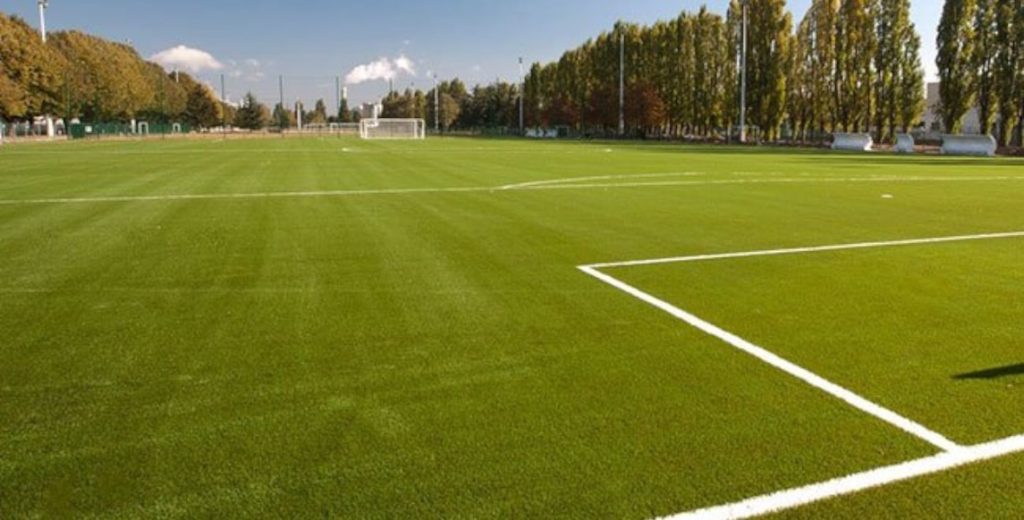
The realm of sports and athletics is consistently evolving, with innovative technologies enhancing the way the games are played and experienced. One such advancement that has significantly impacted the industry is the introduction and gradual improvement of artificial sports turf. This synthetic alternative has become a game-changer, quite literally, for sporting venues, athletes, and facility managers globally.
The Genesis of Synthetic Surfaces in Sports
Inception of synthetic playing surfaces dates back to the mid-20th century when the first significant installations caught the public’s attention. Since then, the journey of artificial sports turf has been one of continuous innovation and refinement.
Initial artificial turfs were essentially carpets laid down on concrete, designed to replicate the look of grass without its maintenance demands. These early versions were far from perfect, being criticised for their hardness and lack of shock absorption, leading to a higher risk of injuries to athletes.
However, over the years, advancements in materials and technology have led to the creation of turfs that are not just aesthetically pleasing but also safer and more functional. Today’s artificial sports turf is the result of decades of research and development aimed at mimicking the characteristics of natural grass as closely as possible.
The Science Behind Modern Artificial Turf
Modern artificial sports turf is synthetically engineered from materials such as polyethylene, polypropylene, and nylon for blades of grass, layered over cushioning systems designed to absorb impact. The infill, usually made from crumb rubber, sand, or a combination thereof, gives the turf weight and resilience, and contributes to its ability to simulate the feel of natural soil.
The fabrication of this turf involves creating a porous backing to allow for water drainage, threading the synthetic blades through this backing, and then securing them with the infill. This ensures that the turf is not only durable but also has the natural give and grip that athletes need.
The Multifaceted Benefits of Artificial Turf
The shift towards artificial sports turf comes with a plethora of advantages. For instance, it reduces the need for watering, pesticide use, and constant trimming, making it an environmentally friendly option in the long run. Its durability means it can withstand much more use than natural grass, which needs time to recover between events or games.
Beyond the reduced maintenance and environmental benefits, artificial turf also facilitates consistent performance regardless of weather conditions. Traditional grass fields can become muddy, flooded, or freeze, severely affecting the quality of play. Synthetic turf remains unaltered by the weather, ensuring a reliable surface year-round.
Adoption across Various Sports
Artificial turf has found its footing in a variety of sports, catering to different requirements for surface performance. Football fields were among the first to adopt artificial surfaces, and nowadays, it’s not uncommon to see them used in rugby, hockey, and baseball. Each sport’s governing body has specifications for turf performance, and manufacturers are continually refining their products to meet these criteria.
The rise of multifunctional sports complexes has also spurred the adoption of synthetic turf. These venues often need to quickly switch between sports, and artificial turf’s versatility makes it an ideal choice. For schools and community centres, the appeal lies in being able to support a wide range of activities on a single surface, maximizing usage and return on investment.
Addressing Health and Safety Concerns
As innovation in artificial turf continues, safety remains a top priority. The latest generations of turf aim to mitigate concerns about injuries by offering better cushioning and shock absorption. Manufacturers are careful in selecting infill materials that reduce the risk of abrasions and provide proper support.
Fears related to the potential toxicity of crumb rubber infill have prompted new, organic alternatives to emerge, such as cork or coconut husk. These options not only address health concerns but also contribute to the sustainability profile of synthetic surfaces.
Future Trends in Turf Technology
The future of artificial sports turf looks bright, with the pursuit of enhanced performance and increased safety at its core. Innovations on the horizon include more realistic grass textures, further improvements to injury prevention, and environmentally friendly disposal methods.
Smart turf technologies are also on the rise, with embedded sensors poised to provide real-time data on usage and surface conditions. This could pave the way for predictive maintenance and even interactive training programs integrated within the turf itself.
The relentless evolution of artificial sports turf is a testament to the inherent human desire to improve experiences and outcomes. From the early, rudimentary forms of synthetic grass to the high-performance surfaces of today, we’ve witnessed a revolution in how sports are played and enjoyed.
As athletes and sports enthusiasts continue to push their limits, so too will the artificial turfs they play on. Embracing these innovations promises to uphold safety standards, enhance the environmental benefits, and enrich the athletic experience as a whole.
With the rise in popularity and acceptance of artificial sports turf, the future of athletics is set to be more diverse, accessible, and engaging than ever before. As we stand on the synthetic blades of the present, we can only imagine the possibilities that await in the fields of tomorrow.
In conclusion, the rise of artificial sports turf has revolutionised the athletic landscape, providing a high-performing, durable, and versatile surface for various sports. Its continued innovation is aligned with our progressive approach to sports science and technology, underpinning its pivotal role in the future of athletic endeavours worldwide.