

Estate planning often involves several different documents and decisions, including wills, trusts, beneficiary designations, and ownership arrangements. Because these documents can work differently, people sometimes wonder what happens when a will says one thing but a beneficiary designation says something else. The answer can depend on the type of asset and the way it is legally structured.
In many situations, a beneficiary designation can control who receives a particular asset even when a will contains different instructions. This is because certain assets pass directly to a named beneficiary rather than becoming part of the probate estate. Examples can include life insurance policies, retirement accounts, and some financial accounts that have a payable on death or transfer on death designation.
This is why the question does a beneficiary override a will does not have a single answer that applies to every situation. The specific asset, account agreement, ownership structure, and applicable Virginia law all matter. A will generally controls property that is part of the probate estate, while assets with valid beneficiary designations may pass according to those designations.
For example, suppose a person has a retirement account that names one individual as the beneficiary but later creates a will leaving the estate to someone else. Depending on the circumstances, the retirement account may pass to the named beneficiary rather than according to the instructions in the will. The will may still control other assets that do not have a separate beneficiary arrangement.
Life insurance can work in a similar way. A policy generally pays the proceeds according to the beneficiary designation on the policy. If the designation has not been updated after a major life event, the proceeds may potentially go to someone the policyholder no longer intended to benefit.
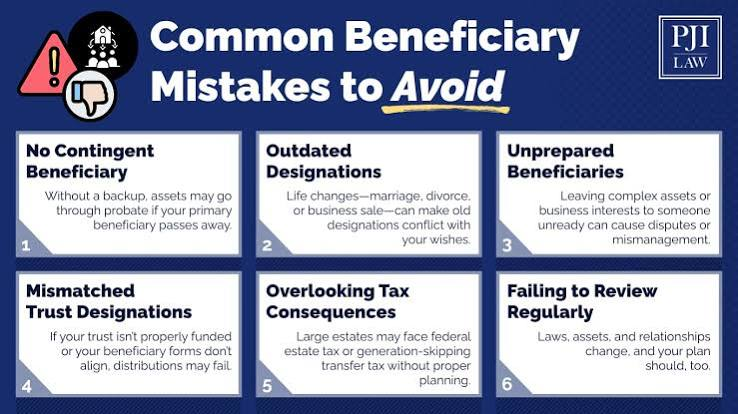
These situations demonstrate why keeping estate planning documents updated is important. Marriage, divorce, the birth of a child, the death of a beneficiary, or a significant change in financial circumstances may lead someone to reconsider how assets should be distributed.
Virginia residents who are reviewing an estate plan may benefit from speaking with lawyers in manassas va who understand estate planning and probate matters. A legal professional can review the different documents and ownership arrangements to determine whether they work together as intended.
Another important issue is the difference between changing a will and changing a beneficiary designation. Updating one does not necessarily update the other. Someone who changes their will but forgets to update an insurance policy or retirement account could unintentionally leave an asset to a former spouse, relative, or another person named years earlier.
Jointly owned property can create additional considerations. Depending on the form of ownership, an asset may pass automatically to a surviving owner rather than through the terms of a will. This is another reason why estate planning should be viewed as a complete plan rather than simply the preparation of a will.
Trusts can also affect how property is transferred after death. Assets properly placed in a trust may be distributed according to the trust document rather than the will. The relationship between a trust, will, beneficiary designation, and ownership structure should therefore be reviewed carefully.
There can also be exceptions and complications. Beneficiary designations may be challenged in certain circumstances, and questions can arise regarding capacity, fraud, undue influence, divorce, conflicting documents, or whether a designation was properly completed. The outcome depends heavily on the facts and applicable law.
Divorce is one situation that deserves particular attention. A person may assume that a divorce automatically changes every beneficiary designation, but that assumption may not always be safe. Different assets and legal documents can be governed by different rules, making it important to review financial accounts after a divorce.
People should also think about contingent beneficiaries. Naming a backup beneficiary can help address what happens if the primary beneficiary dies first or cannot receive the asset. Without appropriate planning, an account may pass under default rules that do not reflect the account owner’s wishes.
Estate planning is ultimately about coordinating different pieces of a person’s financial and legal affairs. A will can be an important part of that plan, but it may not control every asset a person owns. Beneficiary forms, account agreements, property ownership, trusts, and other arrangements can all influence how assets are transferred.
Regular reviews can help identify inconsistencies before they create problems. Keeping beneficiary forms current and making sure they are consistent with the overall estate plan can reduce the risk of an unintended distribution.
Anyone who is uncertain about how a beneficiary designation interacts with a will should consider obtaining advice based on the specific assets involved. A qualified Virginia attorney can explain how the relevant documents may operate together and identify potential issues that should be addressed before they become estate disputes.