

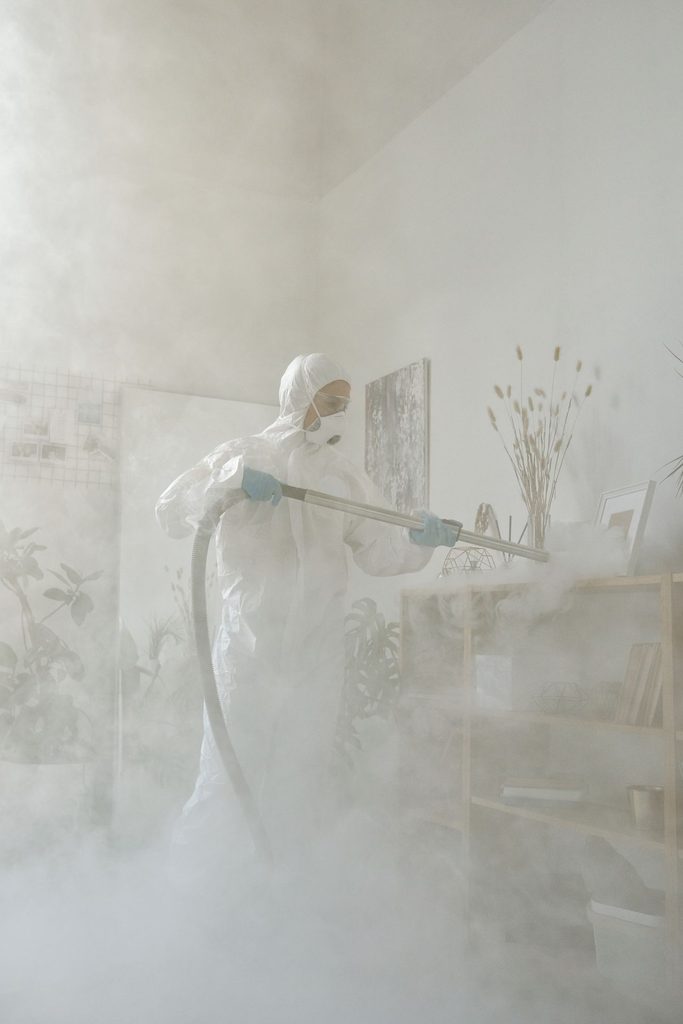
Water damage can be one of the most stressful challenges a property owner faces. Whether caused by a burst pipe, roof leak, flooding, or an appliance malfunction, water can spread quickly and damage everything from flooring and walls to furniture and personal belongings. The good news is that fast action and smart planning can help restore your property efficiently while keeping costs under control. The key is addressing the problem before it worsens and understanding which restoration steps provide the greatest value. By focusing on timely mitigation and effective repairs, property owners can minimize both financial losses and long-term damage. The sooner restoration begins, the better the overall outcome is likely to be. Taking a strategic approach can help return your property to normal without unnecessary expenses.
Act Quickly To Limit The Damage
Time is one of the most important factors in water damage restoration. Water can begin soaking into walls, flooring, and structural materials almost immediately after an incident occurs. The longer moisture remains, the greater the likelihood of mold growth, warping, and deterioration. Taking immediate action can significantly reduce restoration costs by preventing secondary damage. Property owners should focus on stopping the source of the water and beginning cleanup as soon as conditions are safe. Quick action often means fewer repairs and a faster recovery timeline. Early intervention is one of the most cost-effective decisions you can make.
Document Everything Carefully
Before moving or discarding damaged items, it is important to thoroughly document the affected areas. Taking photos and videos of the damage can be helpful for insurance claims and contractor evaluations. Maintaining accurate records helps ensure that losses are properly accounted for throughout the restoration process. Organized documentation may also help avoid delays when working with insurance providers. The more evidence you have, the easier it is to demonstrate the extent of the damage. Proper records can save both time and money later. A few extra minutes spent documenting the situation can make a significant difference.
Remove Water And Moisture Promptly
Standing water must be removed as quickly as possible to avoid ongoing damage. Water extraction should be followed by a comprehensive drying process that targets both visible and hidden moisture. Carpets, walls, insulation, and flooring materials often retain water even after surfaces appear dry. Proper drying helps prevent mold growth and structural issues that can lead to more expensive repairs. Using fans and dehumidifiers can assist with drying smaller areas, while larger losses often require professional equipment. Removing moisture completely is essential for successful restoration. Incomplete drying can result in future problems that increase costs.
Avoid Replacing Materials Too Quickly
Many property owners assume that everything affected by water must be replaced immediately. In reality, some materials can often be restored rather than removed entirely. Professional evaluations can help determine which components can be cleaned, dried, and preserved. Salvaging materials when appropriate may significantly reduce costs without sacrificing quality. Making informed decisions helps avoid unnecessary spending on replacements. Careful assessment allows restoration efforts to focus on the areas that truly need attention. Preservation can be a valuable cost-saving strategy.
Address Hidden Damage Early
One of the biggest challenges associated with water damage is the potential for hidden problems. Moisture behind walls, beneath flooring, or inside structural cavities may not be immediately visible. Left untreated, these hidden areas can eventually lead to mold growth, unpleasant odors, and structural deterioration. Thorough inspections help identify issues before they become more expensive to repair. Detecting hidden moisture early helps ensure that restoration efforts are comprehensive. Ignoring concealed damage often leads to higher long-term costs. Prevention is usually far less expensive than future repairs.
Work With Experienced Restoration Professionals
Serious water damage often requires specialized expertise and equipment. Partnering with a water damage restoration company in Asheville can help property owners navigate the restoration process more efficiently. Experienced professionals can assess the full extent of the damage, identify hidden moisture, and develop an effective restoration plan. Their knowledge often helps prevent costly mistakes and ensures the work is completed properly. Professional support can also speed up recovery times, reducing disruption to daily life. Expertise is especially valuable when significant damage is involved. Skilled restoration teams can often save both time and money.
Prioritize The Most Critical Repairs
If restoration costs are a concern, focus first on repairs that affect safety, structural integrity, and moisture control. Addressing these priorities helps prevent additional damage while allowing cosmetic improvements to be completed later if necessary. Structural repairs, mold prevention, and water removal should generally take precedence over aesthetic upgrades. A phased restoration approach can make expenses more manageable. Strategic planning allows property owners to allocate resources effectively. Prioritization helps maximize the value of every dollar spent.
Take Advantage Of Insurance Coverage
Insurance may help offset a portion of restoration expenses depending on the cause of the damage and the terms of the policy. Reviewing your coverage and communicating with your insurer promptly can help streamline the claims process. Documentation, repair estimates, and restoration reports often support successful claims. Understanding what is covered allows homeowners to make more informed decisions throughout the recovery effort. Insurance benefits can significantly reduce out-of-pocket expenses. Timely communication is important when seeking coverage assistance.
Implement Preventative Measures For The Future
After restoration is complete, it is wise to address the factors that contributed to the original damage. Regular plumbing inspections, roof maintenance, drainage improvements, and appliance monitoring can help reduce future risks. Preventative measures are typically far less expensive than repairing major water damage. Learning from the incident helps protect both the property and your budget going forward. Long-term planning contributes to greater peace of mind. Prevention remains one of the most effective ways to control future expenses.
Conclusion
Water damage can be overwhelming, but restoring your property does not have to drain your finances. Acting quickly, documenting the damage, removing moisture thoroughly, and focusing on the most important repairs can significantly reduce overall costs. Working with experienced restoration professionals and taking preventative steps afterward can further improve outcomes. By following a strategic and proactive approach, property owners can return their homes or businesses to normal while protecting both their investment and their budget.