

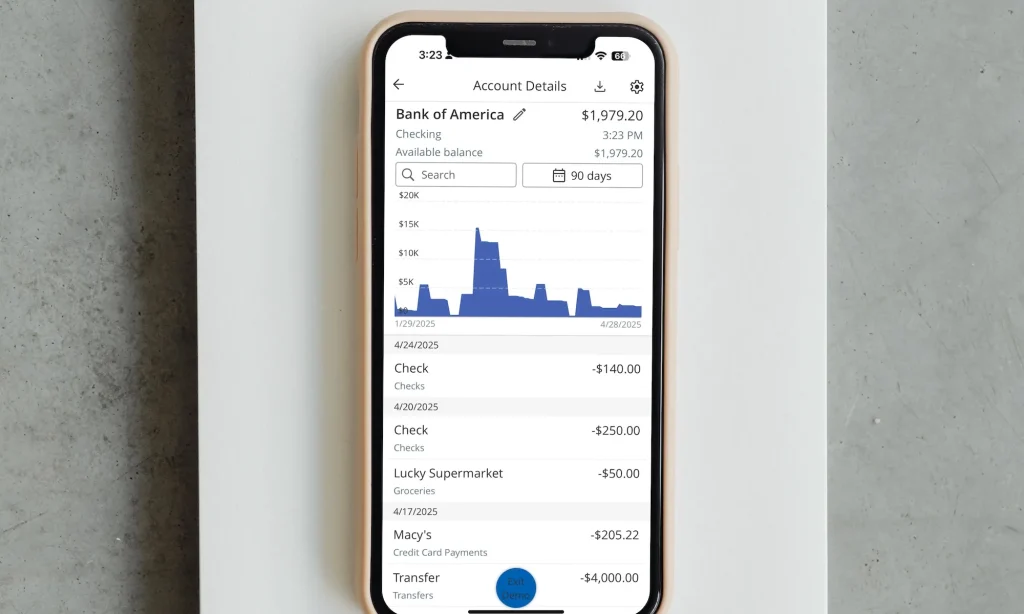
Choosing a money tool should feel empowering, not confusing. Yet many people open an app store, type a few words into the search bar, and end up staring at a long list of options that all claim to help them save, budget, invest, and plan ahead. The problem is not a lack of choice. The problem is knowing which features genuinely matter and which ones are just clever packaging.
A good money tool should fit the way you actually live. It should help you understand where your money goes, what you can improve, and how to make steady progress without adding stress to your day. That means the best option is not always the one with the flashiest interface or the biggest list of functions. It is the one that supports your habits, your financial confidence, and your long-term goals.
This guide is designed to help you buy wisely, even if what you are really doing is choosing a subscription, downloading an app, or committing to a platform that may shape your money habits for years. Think of it as the same kind of buyer’s guide you would use for a major household purchase. You want to understand what you need, what you can ignore, and what signs point to real value.
Whether you are trying to build better budgeting habits, track investments, prepare for a house deposit, or simply feel more in control at the end of each month, the right tool can make a meaningful difference. What matters most is choosing one that is clear, practical, and realistic for your stage of life.
Why Choosing a Financial Planning App Matters More Than People Think
Most people do not struggle because they do not care about money. They struggle because money can feel fragmented. One account is for bills, another is for savings, another holds spending for everyday life, and investments often sit somewhere else entirely. When information is scattered, it becomes harder to spot patterns, plan ahead, and make confident decisions.
That is why the phrase financial planning app matters beyond simple budgeting. The right platform can become a central place where day-to-day spending and long-term decision-making finally connect. Instead of looking at your finances in isolated pieces, you begin to see the full picture.
That full picture can help with:
- setting realistic monthly budgets
- building emergency savings
- tracking debts and repayments
- planning for medium-term goals such as holidays or home improvements
- understanding investment behaviour
- creating healthier money habits over time
A poor choice, however, can do the opposite. It can overload you with charts you never use, hide important information behind clunky menus, or push you towards features that do not reflect your actual goals. When that happens, even a well-designed tool becomes another digital task you forget after a week.
The real value of a strong financial tool lies in consistency. If it is easy to use and genuinely helpful, you will return to it. If you return to it, you are more likely to make better decisions. Those small decisions, repeated often enough, can transform how you manage your money.
Financial Planning Software Features That Actually Matter
When comparing options, it is easy to get distracted by large feature lists. Instead of focusing on quantity, focus on usefulness. A strong platform does not need to do everything. It needs to do the right things well.
1. Clear dashboard and simple navigation
The best tools help you understand your situation quickly. You should be able to open the app and know where you stand without digging through menus. Look for a dashboard that highlights essentials such as balances, spending trends, savings progress, and upcoming commitments.
A cluttered layout creates friction. A clean one builds confidence.
2. Goal setting that feels practical
Good goal setting is not just about naming a target. It is about seeing what progress looks like. A useful platform lets you set goals with dates, amounts, and milestones. Better still, it shows how current habits affect those goals over time.
For example, if you are saving for a deposit, the right tool should help you understand whether your current rate of saving will get you there when you need it to.
3. Spending visibility and category tracking
You should be able to see where your money goes without manually decoding every transaction. Categories should make sense, and editing them should be easy. This matters because planning starts with awareness. If you do not know what your money is doing, it is difficult to redirect it.
Look for options that let you review spending by category, month, or trend. It is especially useful if you can customise categories to match your real life.
4. Support for saving and investing decisions
Many people now want one place to manage both everyday money habits and longer-term growth. That does not mean every app needs advanced trading features. It does mean the platform should help connect present choices to future outcomes.
If investing matters to you, look for clarity. You want information that feels understandable, not overly technical. A helpful platform should give you confidence, not make you feel that you need a finance degree to use it.
5. Security and data protection
Money tools handle sensitive information, so security should never be treated as a bonus feature. Two-factor authentication, biometric login, encryption, and clear privacy policies all matter. You also want transparency about how your data is used.
If you cannot easily find basic security information, that is a warning sign.
6. Helpful reminders and prompts
The best prompts support your goals rather than interrupt your day. Good reminders can help you stay on track with saving, budgeting, or reviewing your progress. Bad reminders simply create noise.
You want a platform that nudges, not nags.
Budgeting App Benefits for Different Types of Users
Not everyone needs the same kind of money tool. One of the biggest mistakes people make is choosing an app based on generic popularity rather than personal fit. The right choice depends on your priorities.
For beginners who want confidence
If money planning feels intimidating, simplicity matters most. A beginner-friendly tool should explain things clearly, avoid jargon, and help you create structure without overwhelm. You want visibility, guidance, and reassurance.
For busy professionals
If your schedule is packed, the platform needs to save time rather than demand it. Quick overviews, easy automation, and efficient tracking become especially valuable. A good solution should let you check in briefly and still feel informed.
For couples and households
Shared finances can be difficult when communication is inconsistent. Some platforms make it easier to align around goals, expenses, and priorities. If you are planning jointly, clarity around household spending and shared targets becomes far more important.
For savers with medium-term goals
Saving for a move, wedding, renovation, or major trip requires structure. In that case, the right platform should help you break larger goals into manageable steps. Progress tracking becomes more useful than generic balance reporting.
For people interested in wealth building
If you already budget reasonably well and want stronger oversight of longer-term progress, look for tools that connect spending habits with investment or savings growth. You may value insights, projections, and broader visibility more than strict budgeting tools alone.
How to Compare Money Management Tools Before You Commit
A buyer’s guide should help you compare, not just admire features. Here is a practical way to assess your options.
Start with your real objective
Ask yourself one simple question: what do I need help with most right now?
Your answer might be:
- spending less impulsively
- creating a monthly budget
- building a safety net
- planning for retirement
- understanding investments
- staying organised across accounts
This answer should shape your shortlist. If you mostly need budgeting support, do not get distracted by advanced features you will never touch. If long-term growth is your priority, do not choose a tool built only for tracking groceries and takeaway spending.
Check ease of use during the first few minutes
Most people know fairly quickly whether a platform feels intuitive. Pay attention to onboarding. Does it explain what to do next? Does it help you set a goal? Does the language make sense? Is the layout calming or confusing?
Early friction often becomes long-term abandonment.
Look beyond marketing claims
Almost every platform promises control, clarity, and confidence. Instead of taking those words at face value, ask what the product actually does to earn them. Does it offer useful insights? Does it help you make decisions? Does it support real progress?
Marketing language is easy. Daily usefulness is harder.
Review pricing carefully
Free tools can be useful, but premium pricing is not automatically a bad sign if the value is clear. The key is understanding what you get and whether you will realistically use it.
Check for:
- monthly vs annual pricing
- feature restrictions on free tiers
- trial periods
- cancellation terms
- whether paid features solve your actual problem
A subscription that genuinely improves your money habits may be worth it. One that sits unused is not.
What to Avoid When Picking a Personal Finance Platform
Knowing what to avoid is just as valuable as knowing what to seek out.
Too much complexity too soon
An app that tries to do everything can become exhausting. If you open it and immediately feel behind, confused, or inadequate, it may not be the right fit for your current stage.
Vague explanations
If features are described in broad language but never explained clearly, be cautious. Financial tools should help you feel informed, not dependent on guesswork.
Poor mobile experience
For most users, regular interaction happens on a phone. If the mobile experience feels clumsy, your engagement is likely to drop. That matters, because consistency is part of the value.
Weak customisation
People manage money differently. If categories, goals, or alerts feel too rigid, the tool may not adapt well to real life. Flexibility matters more than people expect.
Hidden fees or unclear subscription upgrades
Nothing damages trust faster than surprise costs. Make sure you understand exactly what is included before committing.
Smart Wealth Planning Habits an App Should Support
Even the best digital tool is only as useful as the behaviours it encourages. A high-quality platform should support habits that make planning feel achievable.
Regular check-ins
You do not need to review your finances every hour. Weekly or fortnightly check-ins are often enough. A strong tool should make these sessions efficient and worthwhile.
Small, repeatable actions
Progress usually comes from modest actions repeated over time. That might mean rounding up savings, reducing recurring waste, or increasing contributions gradually. A helpful platform supports these patterns instead of pushing unrealistic leaps.
Better decision-making, not guilt
Money tools should help you adjust, not feel judged. The right one helps you notice habits, understand trade-offs, and make better choices without shame.
Goal visibility
It is easier to stay motivated when progress is visible. Whether your target is a cushion for emergencies or a future investment milestone, visual tracking can make long-term planning feel tangible.
How Reviews, Reputation and Trust Signals Help
When choosing any paid or semi-paid digital product, trust matters. Reviews can be useful, but they need to be read carefully. One glowing opinion or one angry review rarely tells the whole story. Look for patterns instead.
Useful questions include:
- Do users mention that the app is easy to understand?
- Do they say it helped them build better habits?
- Are complaints mainly about bugs, billing, or usability?
- Does the brand communicate clearly and professionally?
- Is the tone educational and supportive rather than pushy?
You can also look for broader context around personal finance tools and digital financial services through neutral resources such as Wikipedia’s personal finance overview, which gives a general background to the wider topic.
Trust also comes from transparency. A credible brand should explain what it offers, who it helps, and how it approaches money management. If the messaging feels evasive or overly dramatic, it may not be the most reliable choice.
Questions to Ask Before Downloading or Subscribing
Before making a final choice, pause and ask yourself the following:
Does this fit my current financial life?
A newly graduated renter, a growing family, and an experienced investor may all need very different things. Fit matters more than hype.
Will I actually use this weekly?
Be honest. The best tool is not the most advanced. It is the one you will return to regularly because it feels useful and manageable.
Does it help me act, not just observe?
Seeing numbers is helpful, but action matters more. A valuable platform should help you make decisions, not simply admire charts.
Is the experience calm and clear?
Many people already feel anxious about money. The right tool should lower that tension rather than increase it.
Does the value justify the cost?
Think in terms of outcomes. If a platform helps you save more effectively, avoid waste, and plan with confidence, it may be worth the cost. If the value feels vague, keep looking.
A Practical Buyer’s Checklist Before Making Your Choice
Use this simple checklist when comparing options:
- clear and intuitive dashboard
- useful budgeting and spending visibility
- realistic goal setting tools
- support for savings and long-term planning
- strong security features
- sensible notifications and reminders
- transparent pricing
- mobile usability
- trustworthy brand communication
- features that match your real priorities
If a tool meets most of these standards, it is far more likely to become part of your routine rather than another abandoned download.
Final Thoughts on Finding the Right Fit
The best money tool is not the one with the longest feature page. It is the one that helps you feel organised, informed, and capable of making better choices. That could mean better budgeting, stronger savings habits, more structured investing, or simply less uncertainty month to month.
A thoughtful buyer does not choose based on trend alone. They choose based on usefulness, fit, and confidence. If a platform helps you understand your money clearly and supports steady progress, it is doing its job well.
And if you are looking for a financial planning app that can help you take a clearer, more practical approach to managing your money, it is worth exploring options that make planning feel simple, not intimidating.
The strongest choice will usually be the one that meets you where you are today while still supporting the person you want to become tomorrow.
FAQ
What is the main purpose of a financial planning app?
Its main purpose is to help you understand your money more clearly and make better decisions over time. Depending on the platform, that can include budgeting, goal setting, savings tracking, spending analysis, and long-term planning.
How do I know if a money app is right for me?
Start with your priority. If you need help controlling spending, choose a tool with strong budgeting visibility. If you are focused on future goals, look for planning and progress tracking. The best option is the one that matches your real needs and feels easy to use consistently.
Should I choose a free or paid app?
That depends on the value offered. A free tool may be enough if your needs are simple. A paid option can be worthwhile if it gives you better visibility, stronger features, or a smoother experience that genuinely helps you improve your habits.
Are financial planning apps safe to use?
They can be, provided they use strong security practices such as encryption, two-factor authentication, and secure logins. Always check how the platform handles data before signing up.
Can one app help with both budgeting and long-term planning?
Yes, many modern platforms aim to connect short-term money management with long-term goals. That can be especially useful if you want one place to track everyday decisions while keeping future priorities in view.