

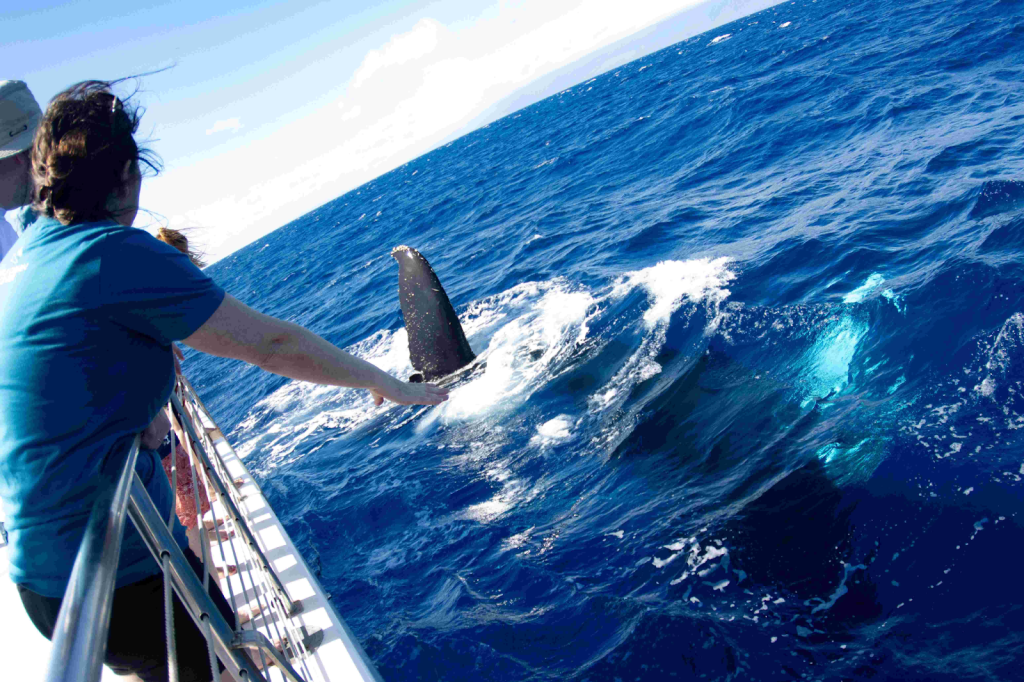
Every year, something magical happens in the warm waters of Maui. Thousands of humpback whales travel across the Pacific Ocean to reach Hawaii. One of the best places to see this natural wonder is along the beautiful shores of Kaanapali. If you are planning a trip or simply love marine life, understanding Maui whale season in Kaanapali can help you experience one of nature’s most unforgettable shows.
Whale watching here is not just a tourist activity. It is an experience that connects you with nature, teaches you about ocean conservation, and gives you memories that last a lifetime. From the sound of whales breaching to the sight of a tail slap across the water, every moment feels special.
This guide will explain when whale season happens, why whales come here, the best places to see them, and how you can make the most of your visit. By the end, you will know exactly why Maui is considered one of the best whale watching destinations in the world.
Understanding Maui Whale Season in Kaanapali
The famous Maui whale season in Kaanapali usually runs from December through April. During this time, North Pacific humpback whales migrate from the cold waters of Alaska to the warm, shallow waters of Hawaii. The peak viewing months are typically January, February, and March when whale activity is at its highest.
These whales travel more than 3,000 miles during their migration. This journey is one of the longest migrations of any mammal on Earth. They come to Hawaii mainly to mate, give birth, and care for their young calves. The warm waters provide a safe environment for newborn whales because there are fewer predators and calmer ocean conditions.
During whale season, it is common to see whales from the Kaanapali shoreline. Many visitors are surprised to learn that you do not always need a boat tour to see whales. Sometimes you can spot them while relaxing on the beach or walking along the shoreline path.
The reason Kaanapali is such a great viewing area is because of the Auau Channel. This channel between Maui, Lanai, and Molokai creates ideal conditions for whales. The water depth and temperature make it a perfect nursery for humpback whales.
Because of this unique environment, whale sightings are very common during the season. Visitors often see whales breaching, tail slapping, and even mothers swimming with their calves. These behaviors make Maui whale season in Kaanapali one of the most exciting wildlife experiences in Hawaii.
Why Humpback Whales Choose Kaanapali Waters
Many people wonder why humpback whales travel so far just to reach Hawaii. The answer lies in survival and reproduction. Alaska provides food, but Hawaii provides safety and warmth.
Humpback whales feed heavily during the summer months in Alaska where food is abundant. They build up fat reserves before starting their long migration south. Once they reach Maui, they usually do not eat much. Instead, they focus on breeding and caring for their young.
Kaanapali waters are especially attractive because they are shallow and calm. These conditions help baby whales learn to swim and breathe safely. Calm water also helps whales communicate through sound, which is important during mating season.
Another reason whales choose this area is protection. The island channels help reduce large ocean swells, creating a more peaceful environment. This makes the Maui whale season in Kaanapali especially important for whale populations.
Scientists also study whales here because sightings are so reliable. Researchers monitor whale songs, behavior, and population numbers. This work helps protect humpback whales and ensures future generations can enjoy seeing them.
The success of conservation efforts has helped whale populations recover over the years. Today, Maui is considered one of the most important whale habitats in the Pacific. Visitors who come during whale season become part of this story by supporting eco-tourism and awareness.
Best Places in Kaanapali to Watch Whales
One of the best things about whale watching in Kaanapali is how easy it is. You do not always need special equipment or expensive tours. Many great viewing spots are open to the public and easy to reach.
Kaanapali Beach is one of the most popular locations. This long stretch of sand offers clear ocean views, making it perfect for spotting whale activity. Early morning and sunset are often the best times to watch because the ocean is usually calmer.
Another great place is the Kaanapali Beachwalk. This scenic path runs along the coastline and offers many viewing points. Walking here during Maui whale season in Kaanapali often rewards visitors with surprise sightings.
Black Rock is another well-known viewing area. This lava rock formation provides a slightly higher view of the ocean. Many people gather here not only for snorkeling but also for whale watching during the season.
Some hotels along Kaanapali Beach also provide excellent viewing areas. Oceanfront resorts often have lanais, viewing decks, and restaurants where you can watch whales while enjoying a meal.
If you want a closer look, whale watching tours are also available. These guided experiences often include marine naturalists who explain whale behavior and migration patterns. While shoreline viewing is amazing, boat tours can offer unforgettable close encounters.
No matter where you choose to watch, always remember to respect wildlife guidelines. Keeping a safe distance protects both whales and visitors.
Tips for the Best Whale Watching Experience
Seeing whales is exciting, but a little preparation can make the experience even better. Planning your viewing time, bringing the right gear, and understanding whale behavior can greatly improve your chances.
Timing matters when planning whale watching. Morning hours usually provide calmer ocean conditions, which makes spotting whales easier. Afternoon sightings are also possible, but ocean winds can sometimes make viewing more difficult.
Bringing binoculars can help you see details like fins and tails. A camera with a zoom lens is also helpful if you want to capture the moment. Even a smartphone can capture great shots if whales are close enough.
Patience is another important part of whale watching. Sometimes you may wait several minutes before seeing activity. Then suddenly, a whale may breach right in front of you. This unpredictability is part of what makes Maui whale season in Kaanapali so exciting.
Listening can also be part of the experience. On boat tours, hydrophones are sometimes used so visitors can hear whale songs underwater. These sounds are complex and beautiful, showing how whales communicate across long distances.
Weather conditions also affect visibility. Clear, sunny days make it easier to spot whales, but even cloudy days can offer great sightings. The key is spending enough time watching the ocean.
Learning basic whale behaviors can also help. A blow, which looks like a puff of mist, often appears before a whale surfaces. Tail slaps and breaches often follow. Recognizing these signs can help you anticipate what might happen next.
Following local guidelines is important too. Federal laws protect humpback whales, and boats must keep a safe distance. Responsible whale watching helps protect these animals and ensures they continue returning each year.
The Cultural and Environmental Importance of Whale Season
Whales are not just animals in Hawaii. They also hold cultural meaning. In Hawaiian tradition, whales are seen as symbols of wisdom, strength, and connection to the ocean.
Many locals see the return of whales as a sign of the changing seasons. Their arrival brings excitement and reminds people of the deep connection between Hawaiian culture and the sea.
Environmental awareness is also a big part of Maui whale season in Kaanapali. Conservation groups work hard to protect marine ecosystems. Visitors often learn about ocean protection through whale watching programs and educational centers.
Noise pollution, ocean debris, and climate change all affect whale populations. Responsible tourism helps reduce these risks. Choosing eco-friendly tours and respecting wildlife rules can make a real difference.
Educational programs also help visitors understand marine conservation. Many tours explain how whales were once endangered due to commercial whaling. Today, protection laws have helped their numbers recover.
Sustainable tourism plays an important role in maintaining whale habitats. Supporting responsible operators helps fund conservation programs and research. This means your visit can help protect whales while you enjoy watching them.
Many visitors leave Maui with a greater appreciation for ocean life. Whale watching often inspires people to care more about protecting the environment long after their trip ends.
Planning Your Trip Around Whale Season
If you want to fully enjoy Maui whale season in Kaanapali, planning ahead is important. Booking accommodations early is a smart idea because whale season is also a popular travel period.
Oceanfront hotels often fill quickly because of the demand for whale viewing rooms. Booking early gives you a better chance of finding a room with a view.
Traveling during peak months like February often provides the best chance of seeing whales. However, December and April can also offer great experiences with fewer crowds.
Packing smart can also improve your trip. Light clothing, sunscreen, sunglasses, and a hat are essential. Even during winter months, Maui temperatures remain warm and comfortable.
If you plan to take a whale watching tour, booking in advance is recommended. Many tours sell out during peak season. Choosing a morning tour can increase your chances of calmer seas.
Transportation planning is also helpful. Renting a car makes it easier to explore different viewing spots. While Kaanapali has many walkable areas, having a car allows you to visit other whale watching locations around Maui.
Adding other activities to your trip can also make it more enjoyable. Snorkeling, sunset cruises, and coastal hikes all pair well with whale watching. Many visitors plan full ocean-focused vacations during whale season.
Even simple moments like watching the ocean from the beach can become highlights of your trip. The beauty of Maui whale season in Kaanapali is that magical moments can happen when you least expect them.
Conclusion
Maui offers many unforgettable experiences, but whale season stands out as one of its greatest natural attractions. Watching humpback whales in their natural habitat is both exciting and meaningful. From their incredible migration journey to their playful ocean behavior, these giants remind us how amazing nature can be.
Planning your visit during Maui whale season in Kaanapali gives you the chance to witness one of the world’s most impressive wildlife migrations. Whether you watch from the beach, a scenic walkway, or a guided boat tour, every sighting feels special.
Beyond the excitement, whale season also teaches important lessons about conservation and respect for marine life. Each visitor who watches responsibly helps protect these animals for the future.
If you ever have the chance to visit Maui during whale season, take it. Bring your curiosity, your patience, and your sense of wonder. The experience of seeing these ocean giants may become one of your favorite travel memories and a story you will tell for years to come.