

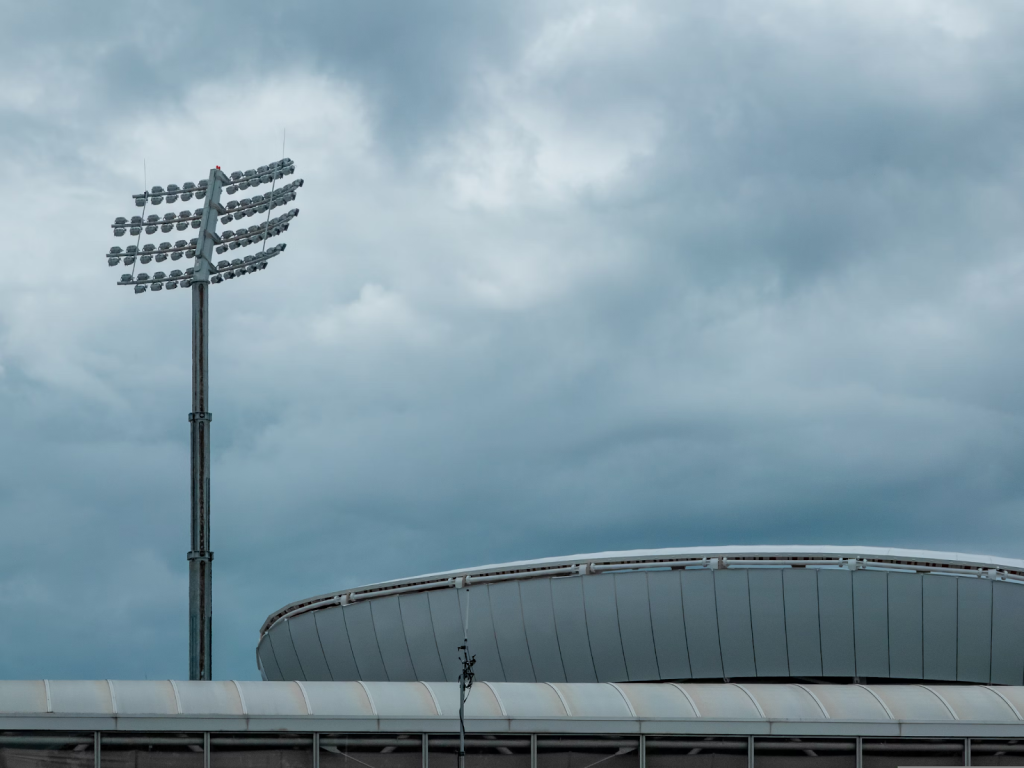
A stadium seat once meant a fixed view and a shared chant. Tomorrow’s smart arena turns every row into an interface. Screens, sensors, spatial audio and real-time data blend with live action until the stands operate like a living dashboard. The game remains the center. Everything else becomes an assist for focus, comfort and crowd energy.
Interactive behaviors already show up in playful formats that reward quick choices, much like a red door roulette game where outcome and participation connect in one motion. A future arena borrows the same principle without gambling or distraction. One gesture unlocks a replay angle. One tap votes for a tactic spotlight. One cheer triggers a lighting cue that wraps the entire bowl.
From Spectator To Co-Creator
Interactivity does not mean louder noise or constant tapping. The best design respects attention and chooses the right moment to invite action. When the ball stops or a whistle sounds, the venue offers optional layers: context on a substitute, a heat map on a big screen, a clip on the personal device. The stands become a learning space and a stage at once.
What changes first in a fully interactive bowl
- Personalized sightlines
Seat-level cameras and AR overlays supply alternative angles for replays without forcing eyes off the field. - Context on demand
Subtle prompts reveal stats, player stories and tactical frames only when requested. - Collective cues that matter
Coordinated lighting and sound respond to measured applause, turning the crowd into a visible teammate. - Friction-free concessions
Order from the seat, pick up at a timed locker, return before play resumes with zero queue stress.
The point is not to bury a match under widgets. The point is to remove frictions that pull attention away while adding context that deepens it.
New Rituals For Old Emotions
A stadium can feel both futuristic and familiar. Heritage chants and banners keep memory intact. Technology simply gives those rituals new tools. A capo section triggers safe pyrotechnic light patterns. Junior supporters design tifo visuals during the week and see them mapped across LEDs at kickoff. Tradition holds, expression scales.
Privacy and inclusion remain non-negotiable. Opt-in controls, clear data boundaries and accessible modes ensure that interactivity serves all visitors. A quiet fan still receives a premium experience. An enthusiast who wants every layer can dive deep without blocking the view next door.
Design principles that keep soul first
- Optional by default
Every feature invites, never demands, and never hides the live moment behind a paywall. - Clear value per tap
Each interaction answers a real question, not a marketing checklist. - Calm visual language
Soft palettes and legible typography help the field remain the brightest object in the room. - Crowd safety as a feature
Wayfinding, capacity alerts and gentle nudge prompts move people smoothly instead of shouting instructions.
When these rules guide decisions, the arena feels alive without becoming a theme park.
The Business Layer Without The Noise
Smart stands introduce flexible tiers of experience. A visitor can curate a night: baseline seat plus two micro-features, or full suite with concierge and analytics. Sponsorship shifts from static logos to useful utilities. A brand might underwrite an injury-time hydration alert or offer a free AR replay during a milestone play. Value shows up as service, not clutter.
Operationally, a connected bowl reduces waste. Heat maps predict restroom and food traffic. Energy loads adjust to real crowd rhythms. Post-event reports help operators plan staff and stock for the next match. The same systems that entertain also lower costs and carbon footprint.
Training The Crowd And Respecting The Game
Every new tool needs etiquette. The venue sets tempo cues so interactions cluster in dead-ball time. Camera angles avoid blocking sightlines. AR elements never cover the ball or the referee. The scoreboard shows clear symbols that mean engage now or rest now. Over a season, these patterns become second nature.
Crucially, the field remains sovereign. Players, officials and coaches decide the sport. Interactivity frames the performance but never edits it. When a late winner drops, the arena breathes with one heartbeat first, then offers replays, angles and celebratory animations after the roar settles.
What fans actually gain from the shift
- Sharper understanding of the match
On-demand context turns complex tactics into accessible narratives. - Stronger social connection
Coordinated crowd effects and shared mini-games create instant community across sections. - Smoother logistics
Less time in lines and confusion, more time inside the story. - Memories that travel
Clips, stats and custom graphics save to a personal timeline that extends the night beyond the exit gate.
Smart arenas do not replace raw emotion. The smell of grass or ice, the echo after a goal, the nervous hush before a penalty still define the experience. Interactivity simply gives the stands better tools to notice more, move easier and celebrate together. If the future feels personal and communal at once, the design will have done its job: a thousand private screens, one shared game.