

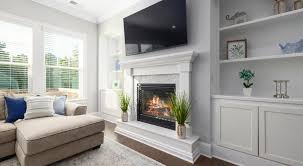
Restoring or renovating a period home is a delicate balancing act between preserving historic charm and introducing modern comfort. Among the many architectural details that can define the elegance of an older property, a Marble mantel stands out as both a luxurious focal point and a timeless design feature. Integrating it into a period home requires an understanding of scale, material harmony, and stylistic integrity. Here’s how to achieve a seamless blend of old-world character and refined sophistication.
Respecting Architectural Authenticity
Every period home tells a story. Whether it’s a Victorian townhouse, a Georgian estate, or a Colonial revival, the architectural details—mouldings, ceiling heights, window styles—set the tone for the space. Before selecting a Marble mantel, it’s essential to consider the era of your home. For example, Georgian designs often feature symmetry and classical motifs, making a simple white marble mantel with clean lines a perfect fit. On the other hand, Victorian interiors embrace ornate carvings, veining, and bold marble tones that add drama and grandeur.
Matching the mantel style to the home’s heritage ensures the installation feels authentic rather than forced. It’s often helpful to reference period catalogues or consult restoration experts to identify the appropriate shapes, patterns, and proportions typical of your home’s architectural period.
Choosing the Right Marble Type and Finish
Not all marble is created equal. Each type carries its own aesthetic personality. Carrara marble offers soft gray veining and understated elegance ideal for classic interiors, while Calacatta or Statuario varieties feature bolder patterns that add artistic flair. For a darker, more intimate ambiance, Nero Marquina or Emperador marble can introduce depth and sophistication.
The finish also plays a key role. A honed or matte finish tends to look more historically accurate for older homes, while a polished finish offers a contemporary edge. Pairing your Marble mantel with aged brass accessories or antique mirror panels can further reinforce the heritage aesthetic while subtly introducing modern texture.
Balancing Old and New Elements
One of the biggest challenges in period renovations is blending modern functionality with historical integrity. When incorporating a marble mantel, consider how it interacts with other original features—like wainscoting, crown moulding, or wooden flooring. Avoid overly modern fixtures that clash with traditional details. Instead, opt for complementary pieces such as wrought-iron fireplace screens, classic sconces, or an antique clock for the mantelpiece.
Lighting plays a critical role in this balance as well. Soft, warm lighting enhances the marble’s natural veining and creates a cozy atmosphere that evokes the charm of the past. Positioning table lamps or wall sconces near the mantel can highlight its craftsmanship without overpowering the room’s historic essence.
Restoring Versus Replacing
If your home already includes an old marble fireplace surround, restoration might be the most authentic choice. Professional cleaning, polishing, and minor repairs can bring it back to life while preserving its patina—a quality that adds unmatched character. In cases where the original mantel is missing or damaged beyond repair, sourcing reclaimed marble mantels from architectural salvage yards can be a rewarding alternative.
A restored or reclaimed Marble mantel not only enhances the period authenticity but also supports sustainable design practices by reusing existing materials.
Styling the Mantel with Period Decor
Once your mantel is installed, styling completes the transformation. Keep accessories minimal yet meaningful. Framed vintage portraits, candlesticks, vases with fresh flowers, and antique mirrors all complement the marble’s texture and elevate the fireplace’s visual appeal. Seasonal décor can be added without compromising its timeless aesthetic—think greenery in winter or soft pastels in spring.
Final Thoughts
Integrating a Marble mantel into a period home is about more than decoration—it’s about preserving a sense of history while creating a refined centerpiece that enhances the home’s architectural narrative. With thoughtful material selection, respect for historical detail, and balanced design choices, your marble fireplace can become a bridge between centuries—honoring the past while enriching the comfort and beauty of your present-day living space.