

Ever wonder why some machinery runs smoothly for years while other equipment breaks down after just months of use? The difference often lies in the small details – the fasteners that hold everything together. When precision matters and parts need to move in relation to each other without wearing down, standard bolts simply won’t do the job. That’s where specialised fasteners come into play.
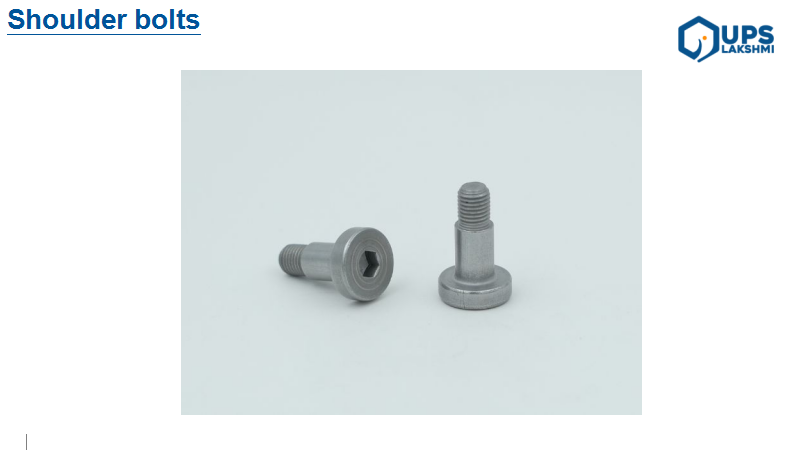
Shoulder bolts represent one of the most useful yet underappreciated components in precision engineering. These specialised fasteners feature a smooth, unthreaded cylindrical section (the shoulder) between the head and threaded portion, creating a bearing surface that allows connected parts to pivot or slide with minimal wear. Shoulder bolts prevent the excessive play and premature component failure that can shut down production lines and lead to expensive repairs.
Many engineers make the mistake of using standard bolts with washers when shoulder bolts would be the better choice. Shoulder bolts provide a precision-machined bearing surface with exact dimensional tolerances – something ordinary fasteners can’t match. This oversight often stems from a lack of familiarity with specialised fasteners or perhaps from pressure to reduce component costs. But the small upfront savings quickly disappear when assemblies fail prematurely.
Key Applications in Industrial Settings
The automotive industry relies heavily on shoulder bolts in hinges, linkages and adjustment mechanisms. These components face constant movement and need to maintain precise alignment despite vibration and varying loads. A failing shoulder bolt in a critical automotive assembly might lead to misalignment, unusual wear patterns, and eventually, complete failure of expensive components.
Packaging machinery presents another demanding application where shoulder bolts prove essential. These machines run continuously at high speeds, with components moving through precisely timed sequences. Even slight misalignments can cause jams, product damage, and costly downtime. The bearing surface of shoulder bolts helps maintain the smooth operation these machines require.
Food processing equipment brings additional challenges due to strict hygiene requirements. Stainless steel shoulder bolts provide both the needed bearing surface and corrosion resistance for wash-down environments. Without the right fasteners, equipment can develop rough operation that not only damages the machinery but potentially contaminates food products as well.
Design Considerations for Optimal Performance
Material Selection Based on Application Needs
The operating environment plays a crucial role in material selection. Standard carbon steel shoulder bolts work well in controlled indoor settings, but high-temperature applications or outdoor exposure demand more specialised materials. Stainless steel variants cost more but deliver much better value in corrosive environments or where food safety concerns exist.
Strength requirements vary significantly across applications. High-stress scenarios might require alloy steel shoulder bolts with proper heat treatment. For less demanding uses, standard materials might suffice. The mistake many designers make involves either over-specifying (wasting money) or under-specifying (risking failure) based on incomplete application analysis.
Wear resistance becomes particularly important in high-cycle applications. Surface hardening treatments can extend the useful life of shoulder bolts subjected to constant movement. The small added cost of these treatments typically pays for itself many times over through extended component life.
Dimensional Considerations and Tolerances
The shoulder diameter determines the fit between moving parts. Tolerances matter tremendously here – too tight, and parts bind; too loose, and excessive play leads to premature wear and misalignment. Most engineers understand this concept in theory but sometimes fail to appreciate how quickly small tolerance variations compound into significant problems.
Shoulder length must accommodate the total thickness of all moving components while allowing appropriate end play. Getting this wrong leads to binding or excessive movement. This dimension seems straightforward but requires careful consideration of assembly stack-up tolerances and potential thermal expansion.
Thread engagement depth affects both assembly strength and shoulder function. Insufficient thread engagement compromises structural integrity, while excessive threading might interfere with the shoulder’s bearing function. This balance requires thoughtful design rather than simply following standard ratios.
Common Failure Modes and Prevention
Improper Installation Practices
Forcing shoulder bolts into misaligned or improperly sized holes damages both the bolt and the assembly. This practice, while tempting during difficult assemblies, creates stress concentrations that eventually lead to fastener failure. Taking time to identify and correct alignment issues before final assembly pays dividends through extended component life.
Over-tightening ranks among the most common installation errors. Excessive torque creates stress that can deform the shoulder or even cause bolt failure. Unlike standard bolts, shoulder bolts require careful torque control to function properly as bearing surfaces while still maintaining secure attachment.
Lubrication practices significantly impact performance in moving applications. The right lubricant reduces friction and prevents galling between the shoulder and mating components. Many maintenance technicians overlook this detail during routine service, leading to premature wear and eventual failure.
Environmental Factors Affecting Performance
Temperature fluctuations create expansion and contraction that can loosen fasteners or change operating clearances. Applications with wide temperature ranges require special attention to material selection and installation practices. Thermal cycling effects accumulate over time, gradually degrading performance until failure occurs.
Contamination from process materials or environmental factors accelerates wear on bearing surfaces. Proper seals and periodic cleaning help extend service life. This consideration becomes particularly important in dusty environments or applications involving abrasive materials.
Vibration gradually loosens threaded connections unless proper locking methods are employed. Lock washers, thread-locking compounds, or other securing methods prevent this common failure mode. The specific locking method depends on the application requirements including temperature, need for disassembly, and vibration severity.
Selection and Sourcing Best Practices
Quality matters tremendously with precision components. Poorly manufactured shoulder bolts might meet basic dimensional specifications but lack the consistency and material properties needed for reliable performance. Working with reputable suppliers helps ensure consistent quality and performance.
Standardisation across designs simplifies inventory management and maintenance. While custom shoulder bolts sometimes prove necessary for unique applications, using standard sizes whenever possible reduces costs and improves availability for future repairs. This approach balances performance requirements with practical maintenance considerations.
Documentation of specifications and torque requirements ensures proper installation during both initial assembly and future maintenance. Many failures trace back to improper installation resulting from inadequate documentation. Taking time to record these details saves significant troubleshooting time later.
Conclusion
The right shoulder bolt might seem like a small detail in complex machinery design, but this component often determines whether equipment runs reliably for years or fails prematurely. With 65+ years of manufacturing expertise behind modern fastener design, today’s precision components offer reliability that basic fasteners simply cannot match. Taking time to select the appropriate shoulder bolts for each application pays dividends through improved equipment performance, reduced maintenance costs, and extended service life.